



A Long Road Back for Lubricants
July 27, 2026
Written By Adam Buckallew
The road to recovery for lubricant markets has taken another turn. Renewed fighting between the United States and Iran has reignited uncertainty across global energy markets, raising fresh concerns that higher lubricant prices and tight supplies could persist well into the future.
The Independent Lubricant Manufacturers Association (ILMA) says months of refinery disruptions, shipping delays and instability in the Persian Gulf have snarled the supply of key ingredients used to make modern motor oil, transmission fluid, gear oil and other lubricants. Renewed military action has once again disrupted one of the world’s most important energy corridors.
At the center of the shortage is Group III base oil.
Most people aren’t familiar with Group III base oil, and that’s understandable. It’s an essential ingredient used to make today’s synthetic lubricants. Most full-synthetic engine oils rely on it, including common passenger vehicle grades like 0W-20, 5W-30, 0W-16 and 0W-8. It’s also used in heavy-duty diesel engine oils such as full-synthetic 5W-40 and 10W-30, along with many synthetic transmission fluids, gear oils and hydraulic lubricants. Even MFA Oil’s Work Horse X-TRA GUARD® universal tractor fluid contains Group III base oil.
A significant portion of the world’s Group III base oil supply comes from Middle Eastern producers in Bahrain, Qatar and the United Arab Emirates. According to ILMA, those countries account for 44% of U.S. Group III supplies. An additional 30% is produced in South Korea, where many refiners rely on crude oil sourced from the Middle East.
Industry analyst Thomas Glen, president of Petroleum Trends International and editor of JobbersWorld, called the disruption “one of the most significant Group III supply disruptions the lubricant industry has experienced. Prices have risen sharply. Allocation programs have emerged. Spot market availability has tightened dramatically and concerns about future availability have spread throughout the lubricant supply chain.”
Glen says the road to recovery is unlikely to be immediate. In a June 15 analysis published by JobbersWorld, he noted that many suppliers are still working through higher-cost inventories, and some manufacturers have placed customers on allocation—limiting how much product they can purchase to stretch available supplies. Tight supplies of Group III base oil continue to constrain production of synthetic lubricants. As a result, lubricant prices may remain elevated even if crude oil prices moderate.
The conflict has also underscored how dependent the North American lubricant market remains on overseas supplies of Group III base oil. With about three-fourths of U.S. supplies tied to the Middle East—either through direct imports or crude sourced from the region—further disruptions could tighten supplies. Meanwhile, ExxonMobil is expanding Group III production at its Baytown, Texas, refinery, but that additional capacity isn’t expected until 2028.
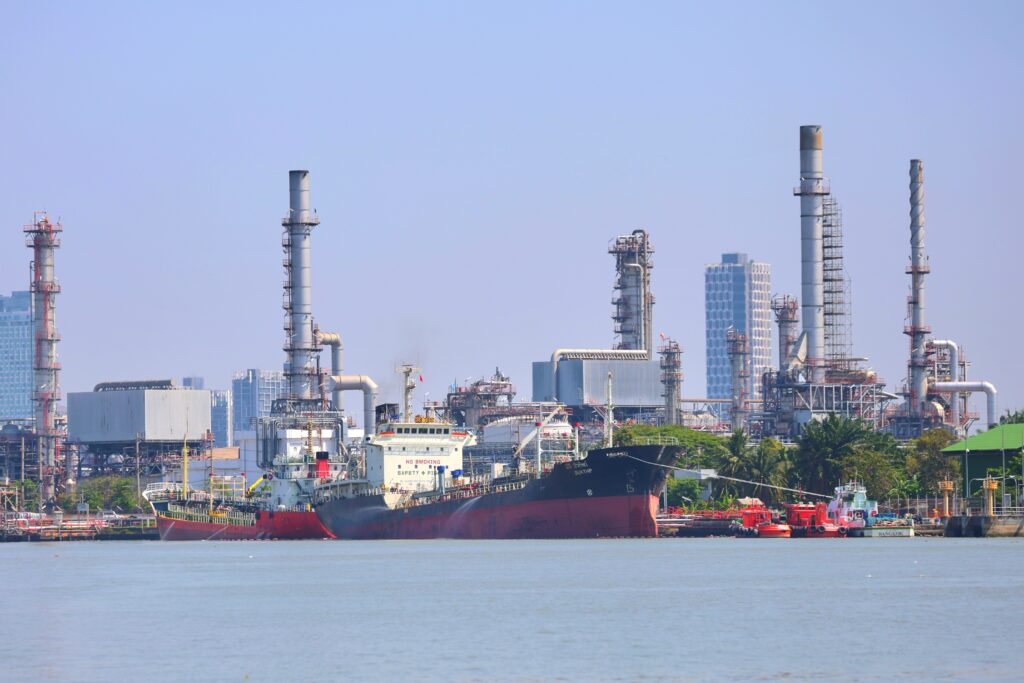
Those supply chain constraints have already led to higher prices and could continue to result in fewer product choices and periodic shortages of certain lubricants.
Zach Studer, director of warehousing and quality control for MFA Oil, says most lubricant suppliers have already been hit with three waves of substantial price increases since March. Customers who haven’t purchased engine oil recently may experience sticker shock from the rising prices.
“Our costs have more than doubled,” Studer says. “In a normal year, we may see two or three price increases around 10 to 25 cents per gallon. The increases we’ve seen this year have been much steeper. The latest round increased our costs by about $3 per gallon on synthetics and up to $2.50 per gallon on non-synthetic products. We understand no one is excited about paying more, and neither are we. We’re doing everything we can to manage the situation for our members and customers.”
Studer noted MFA Oil maintained its existing pricing for as long as possible before passing those costs on to its members and customers, even honoring a planned sale in March and April. However, the magnitude of the increases ultimately forced retailers across the industry to adjust pricing.
MFA Oil continues to monitor lubricant markets and work with suppliers to maintain reliable availability. Some products may still see price increases or longer lead times as conditions normalize. To maintain supply for existing customers, MFA Oil is managing its inventory closely and pausing new lubricant customer growth until conditions improve.
MFA Oil members and customers can help by planning routine maintenance ahead of time and giving their local office advance notice for specialty or large-volume orders. That extra lead time helps ensure products are available when needed.