


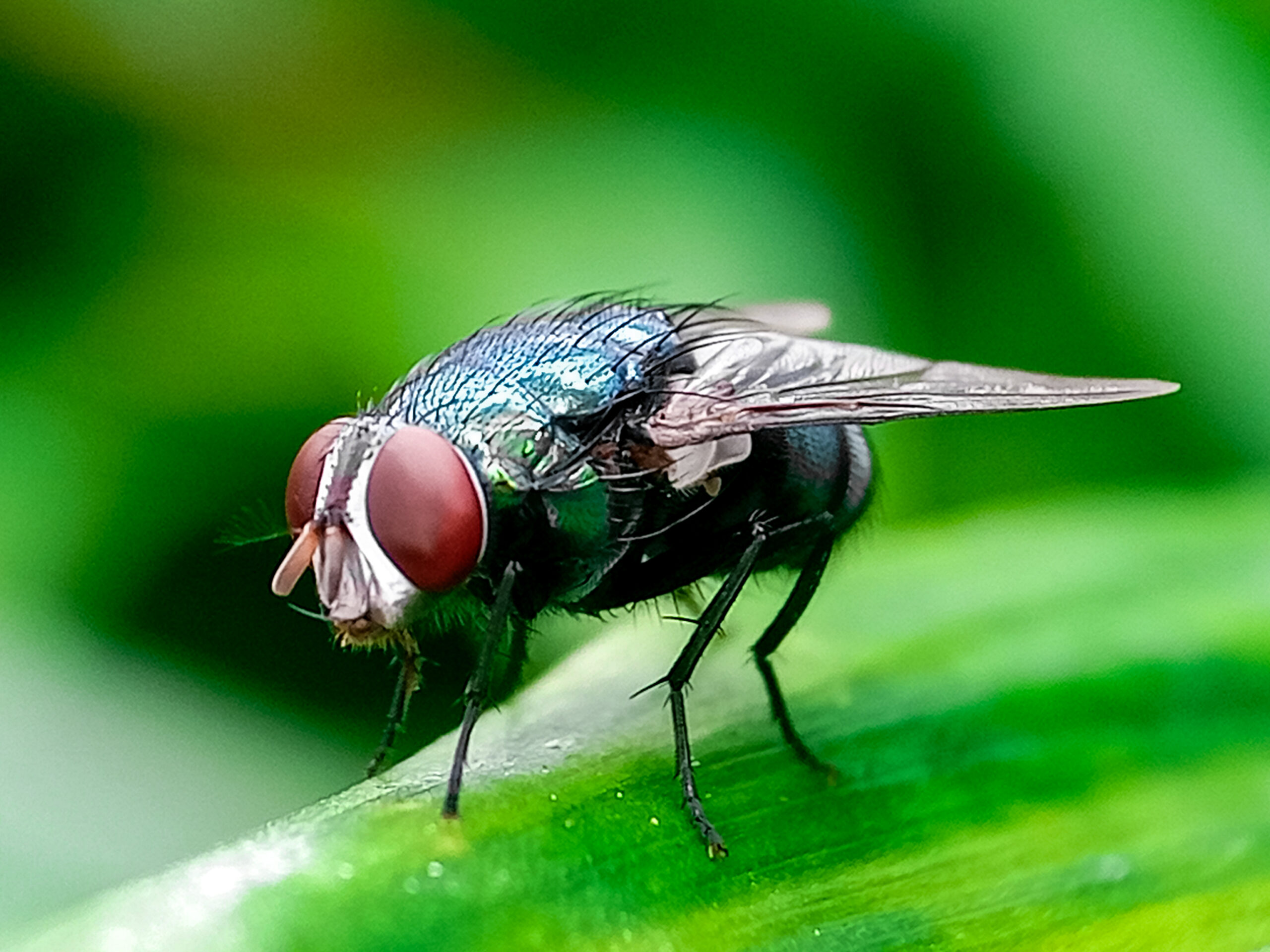
Missouri Activates New World Screwworm Response Plan
July 27, 2026
Written By Adam Buckallew
Missouri livestock producers are being urged to remain vigilant after federal officials confirmed the first U.S. case of New World screwworm (NWS) in more than six decades.
The U.S. Department of Agriculture’s Animal and Plant Health Inspection Service (USDA-APHIS) confirmed on June 3 that a calf in Zavala County, Texas, was infected with the pest. The detection marked the first confirmed case in the United States since New World screwworm began moving northward through Central America and Mexico in recent years.
NWS is considered one of the most destructive livestock pests in the world. Unlike common maggots that feed on dead tissue, screwworm larvae burrow into the flesh of living animals, creating severe wounds that can lead to secondary infections, permanent injury and death if left untreated. The pest can affect cattle, sheep, goats, horses, swine, wildlife and pets.
Since the initial detection, the USDA has reported over 40 confirmed cases in Texas and New Mexico. The affected animals include cattle, goats, sheep and a dog. The new detections were reported across multiple Texas counties, as well as neighboring New Mexico. The growing number of cases has heightened concerns among livestock producers and animal health officials working to prevent further spread.
In response to the Texas detection, Missouri has activated its New World Screwworm Response Plan. The plan was developed by a joint working group led by Missouri State Veterinarian Steve Strubberg and includes representatives from USDA, the Missouri Department of Agriculture, University of Missouri Extension, the Missouri Department of Conservation and the Missouri Department of Health and Senior Services.
“The detection in Texas serves as an important reminder for livestock owners to monitor their animals closely and report any suspicious wounds or infestations immediately,” a press release from the Missouri Department of Agriculture said.
While the pest has not been detected in Missouri, state officials have implemented movement requirements for animals entering the state from affected areas.
Domestic animals originating from a state that contains an infested zone but are not located within that zone may enter Missouri with a Certificate of Veterinary Inspection (CVI) certifying the animals are free of NWS infestation and have not traveled through an infested area.
Animals originating from within an infested zone face additional requirements, including an entry permit from the Missouri State Veterinarian’s Office and a CVI confirming they have been inspected and found free of infestation.
Producers are encouraged to take preventive measures now. Recommended steps include maintaining aggressive fly and tick control programs, promptly cleaning and treating wounds, and covering open injuries whenever possible. Livestock owners may also want to postpone procedures such as castration, dehorning and branding if conditions allow, as these practices create openings that can attract egg-laying flies.
Regular animal inspections are also critical. Producers should watch for bloody drainage from wounds, rapidly enlarging lesions, cream-colored egg masses around injuries, maggots in wounds, foul odors, reduced appetite, fever, excessive head shaking and other signs of discomfort.
Anyone who suspects an infestation should contact a veterinarian immediately. Livestock and pet owners can also report suspected cases to the Missouri Department of Agriculture’s Animal Health Division at (573) 751-3377.
Industry officials warn that a widespread outbreak could result in significant livestock losses and increased production costs if the pest becomes established in the United States. Federal and Texas state officials have launched surveillance, trapping and testing efforts while expanding the use of sterile flies, a proven technique that helped eradicate screwworm from the United States in the 1960s. USDA officials reported releasing millions of sterile flies as part of the response effort.
Despite concerns about livestock health and potential economic impacts, USDA officials emphasize that the detection does not affect food safety and that the U.S. food supply remains safe.