


Old Iron, New Memories
July 27, 2026
Written By Adam Buckallew
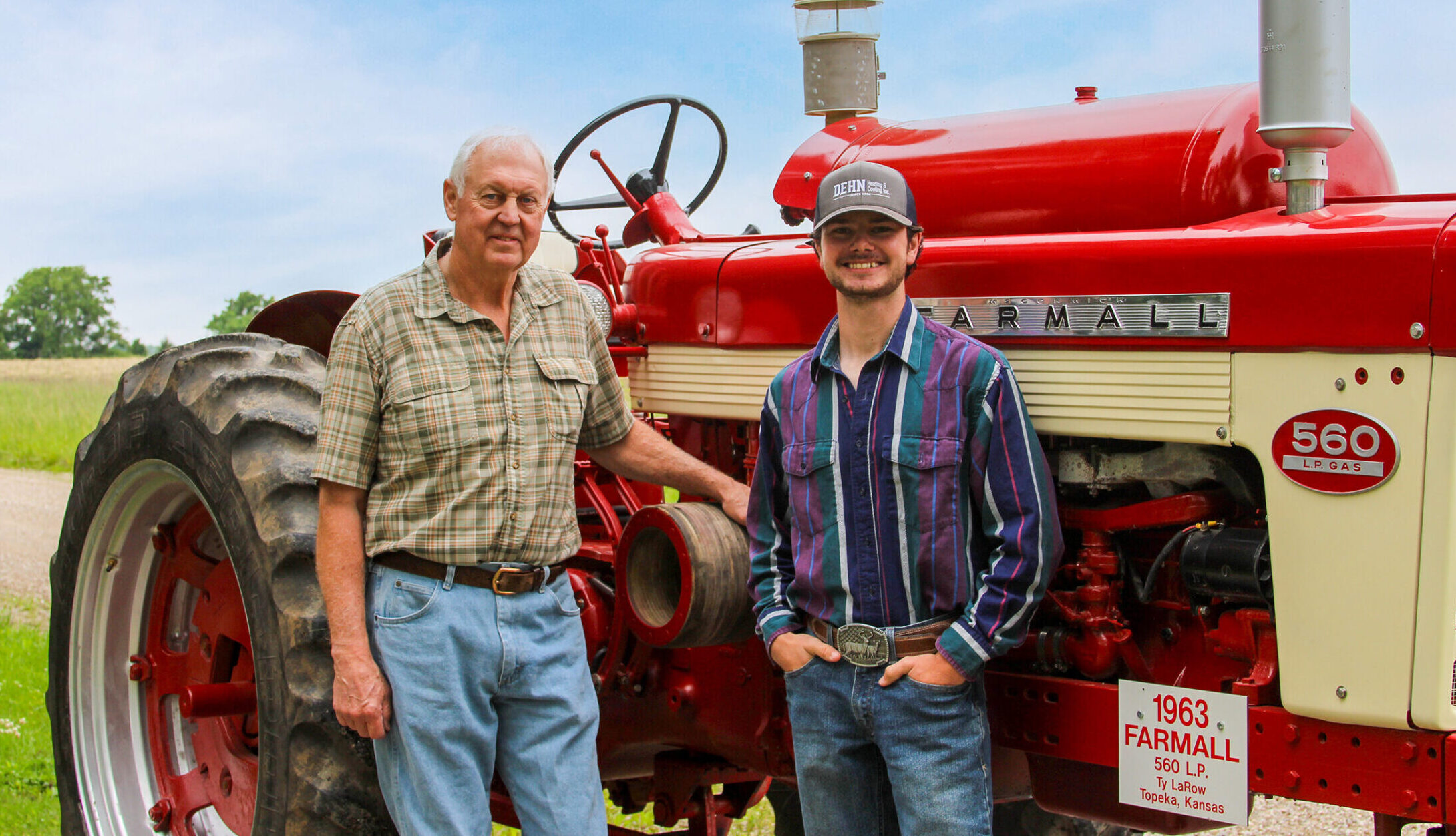
When Ty La Row set out to restore his great-grandfather’s Farmall 560 LP, he discovered the project was about much more than nuts, bolts and fresh paint.
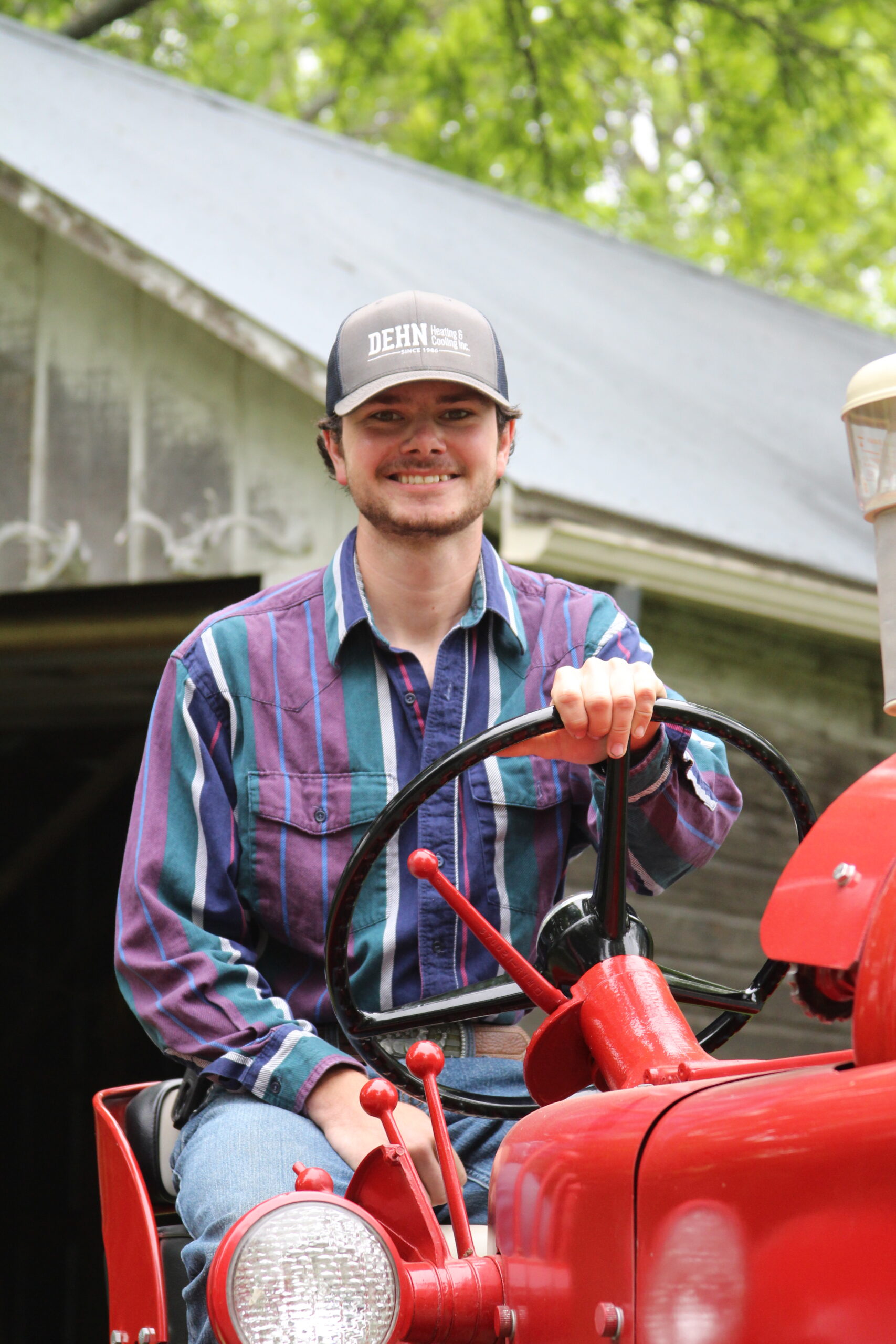
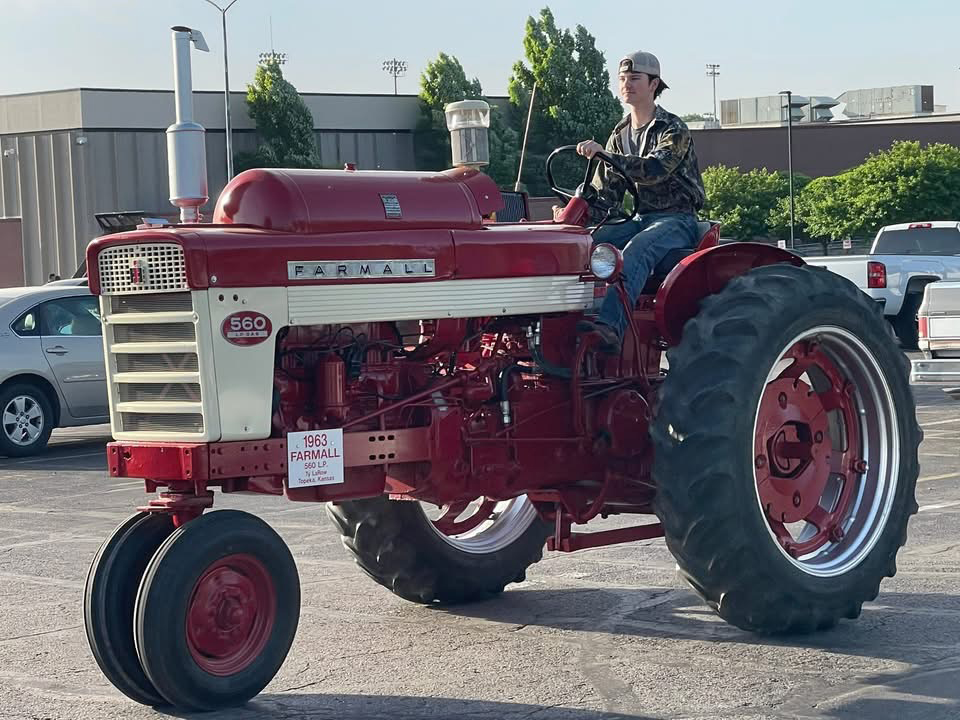
Many of the high school seniors pulling into the parking lot for Alternate Transportation Day at Seaman High School in Topeka, Kan., were behind the wheel of pickup trucks, classic cars and convertibles. Riding high on a freshly restored 1963 Farmall 560 LP tractor with gleaming red paint, Ty La Row stood out among his classmates.
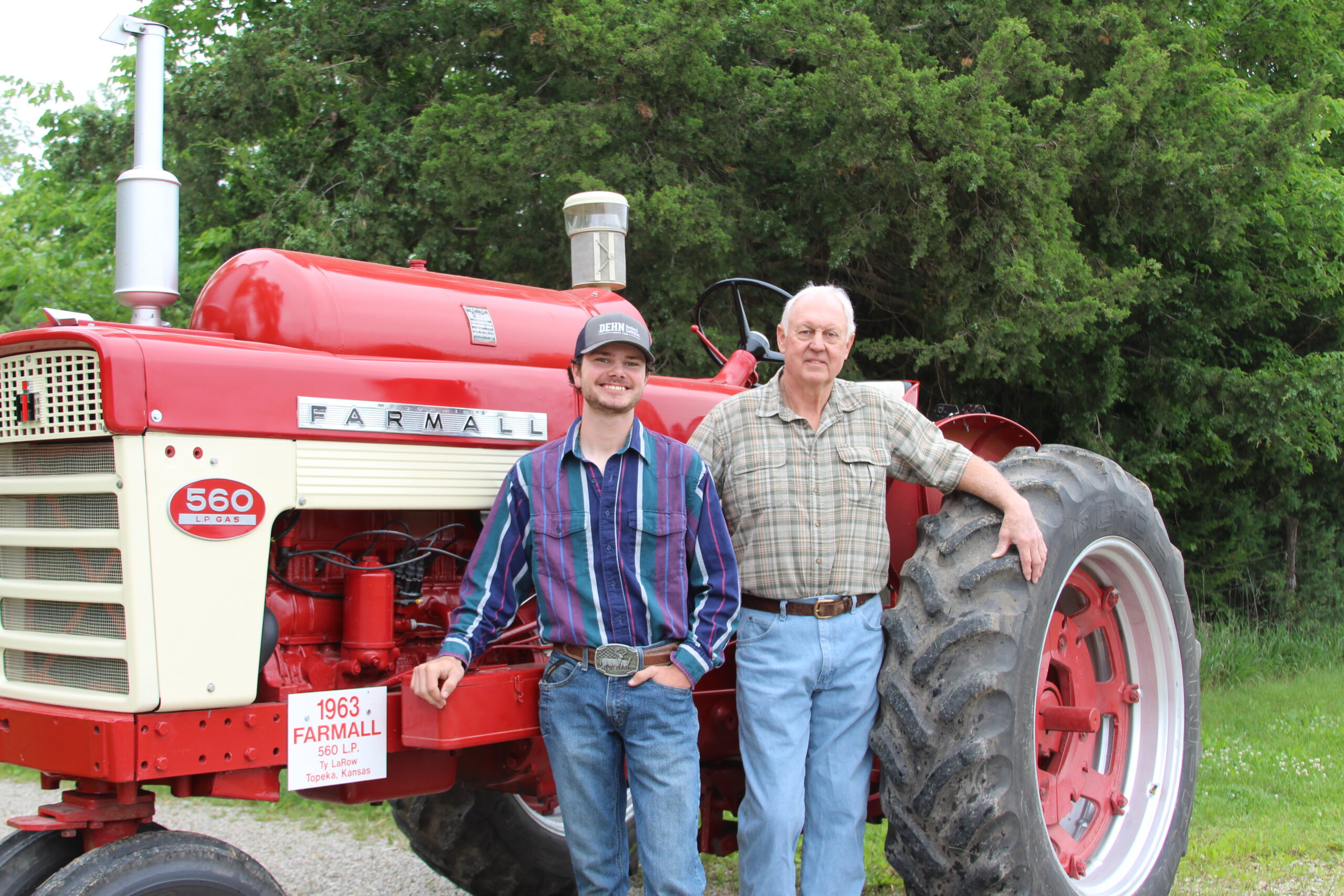
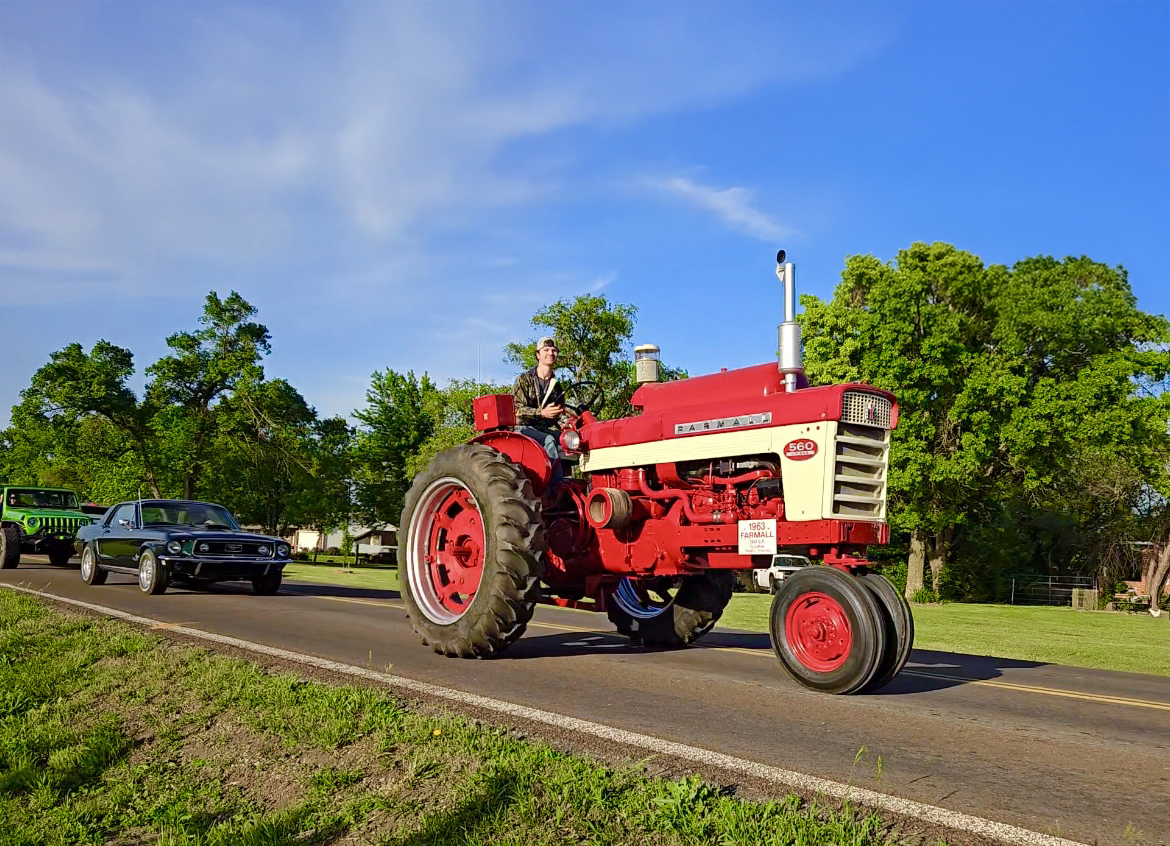
For the soon-to-be graduate, driving the tractor to school was more than just an unconventional trip. It was the culmination of a lifelong dream, countless hours of work and an unforgettable opportunity to work side-by-side with his grandfather.
For as long as he can remember, Ty has been drawn to the old 560 that once belonged to his great-grandfather, Henry Dehn. He has fond childhood memories of tractor rides with his family. He recalls climbing into the driver’s seat with his cousin, pretending to steer through imaginary fields.
For decades, it sat idle in a barn, but Ty never stopped thinking about it. Though the prospect of restoring it was daunting, the challenge only fueled his interest.
As he entered his senior year of high school and began looking for a meaningful supervised agricultural experience (SAE) project for FFA, Ty realized it was a perfect opportunity to restore the tractor that had been part of his family for over 50 years.
Getting to Work
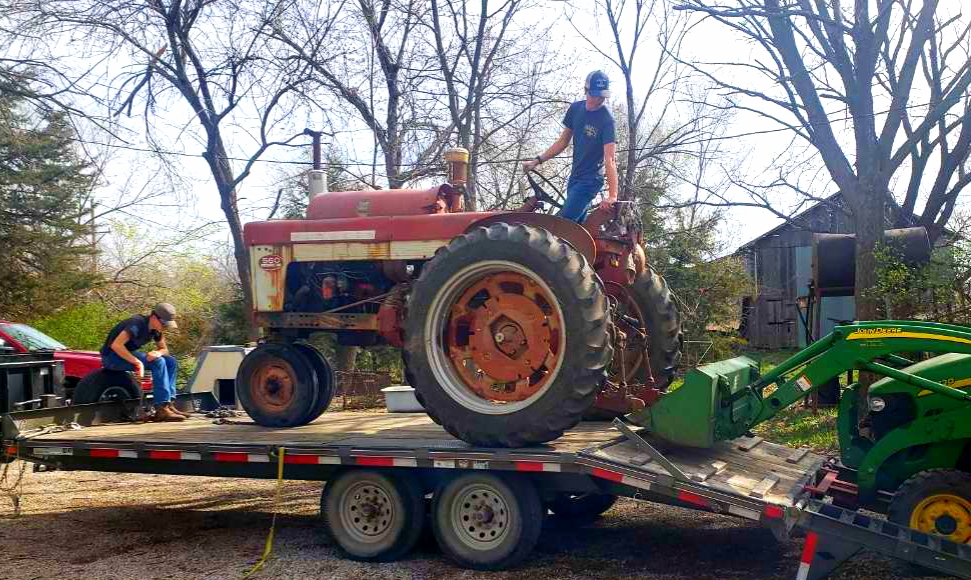
The first step was hauling the tractor from a farm near Ottawa, Kan., to his grandfather’s shop in Topeka. Next, Ty needed to answer the question that had long been on his mind: Would it still run?
While most modern tractors run on diesel fuel, the Farmall 560 LP was factory-built to run on propane. Unfortunately, parts for the propane fuel system are notoriously hard to find these days. If the engine wouldn’t start, Ty knew his restoration dream could stall before it ever really began.
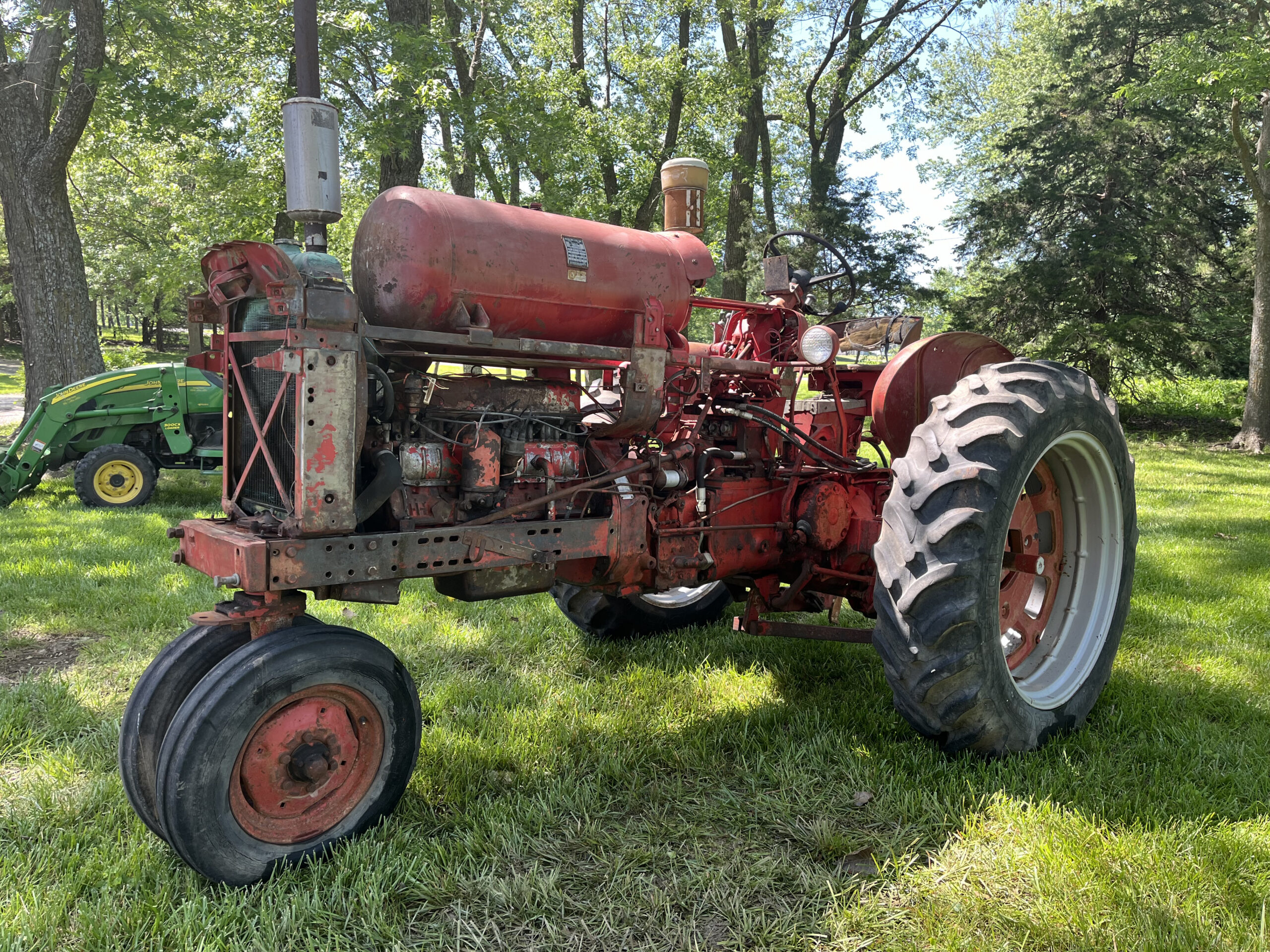
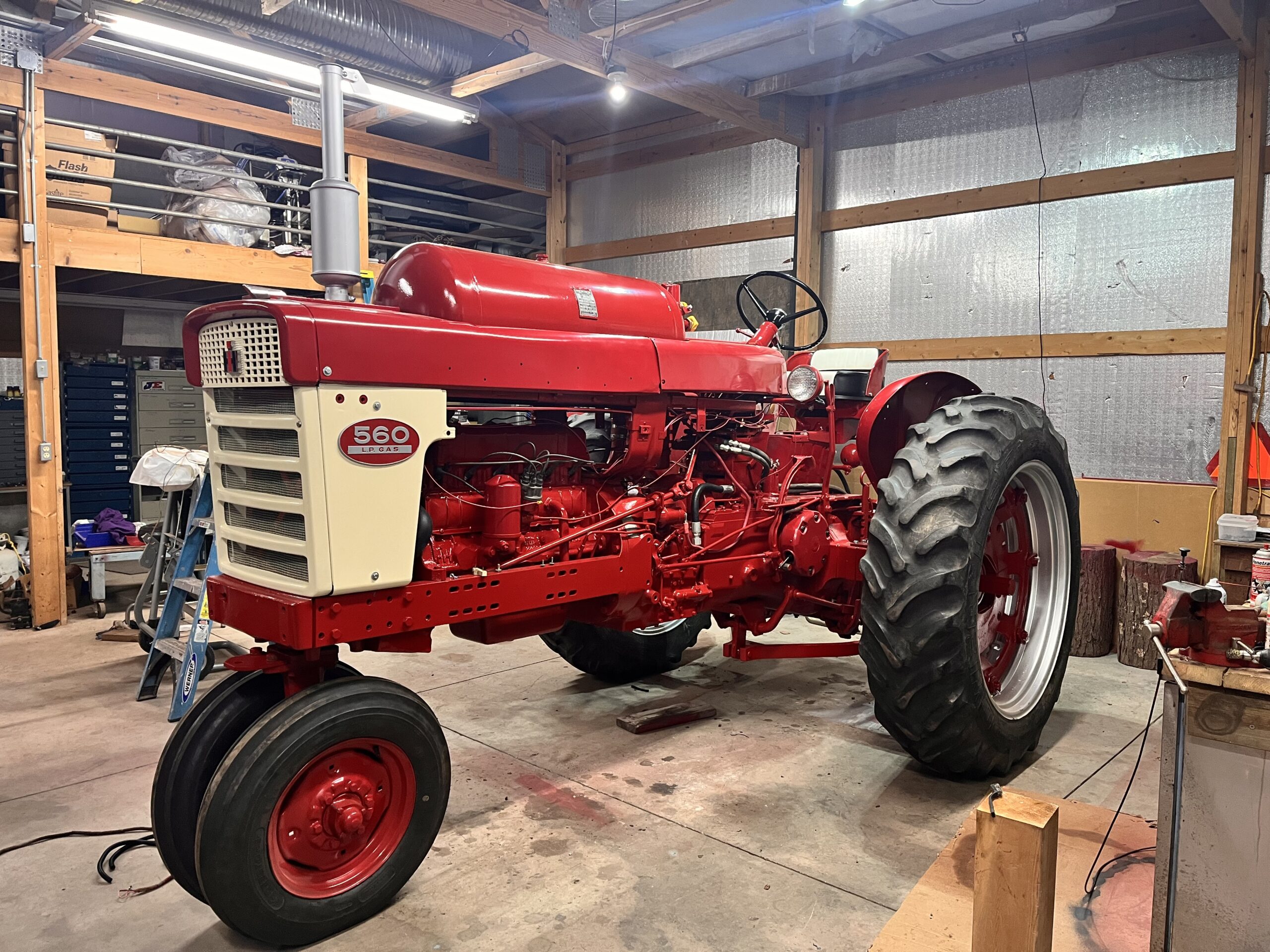
He connected a small propane cylinder to the fuel system and turned the key. To his surprise and relief, the old tractor sputtered to life.
“It wasn’t running great,” Ty recalled, “but it ran well enough that I knew I could move forward with the project.”
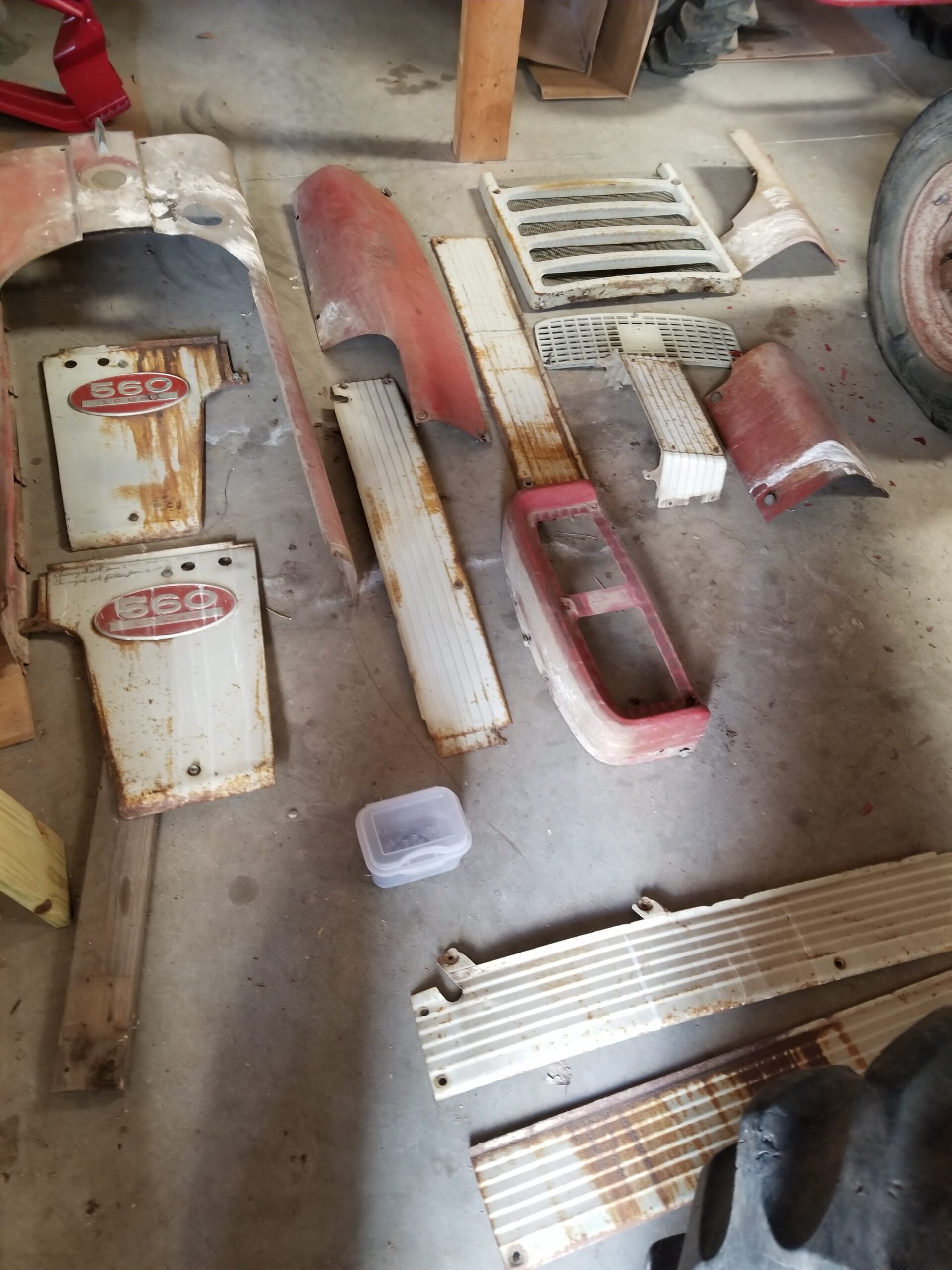
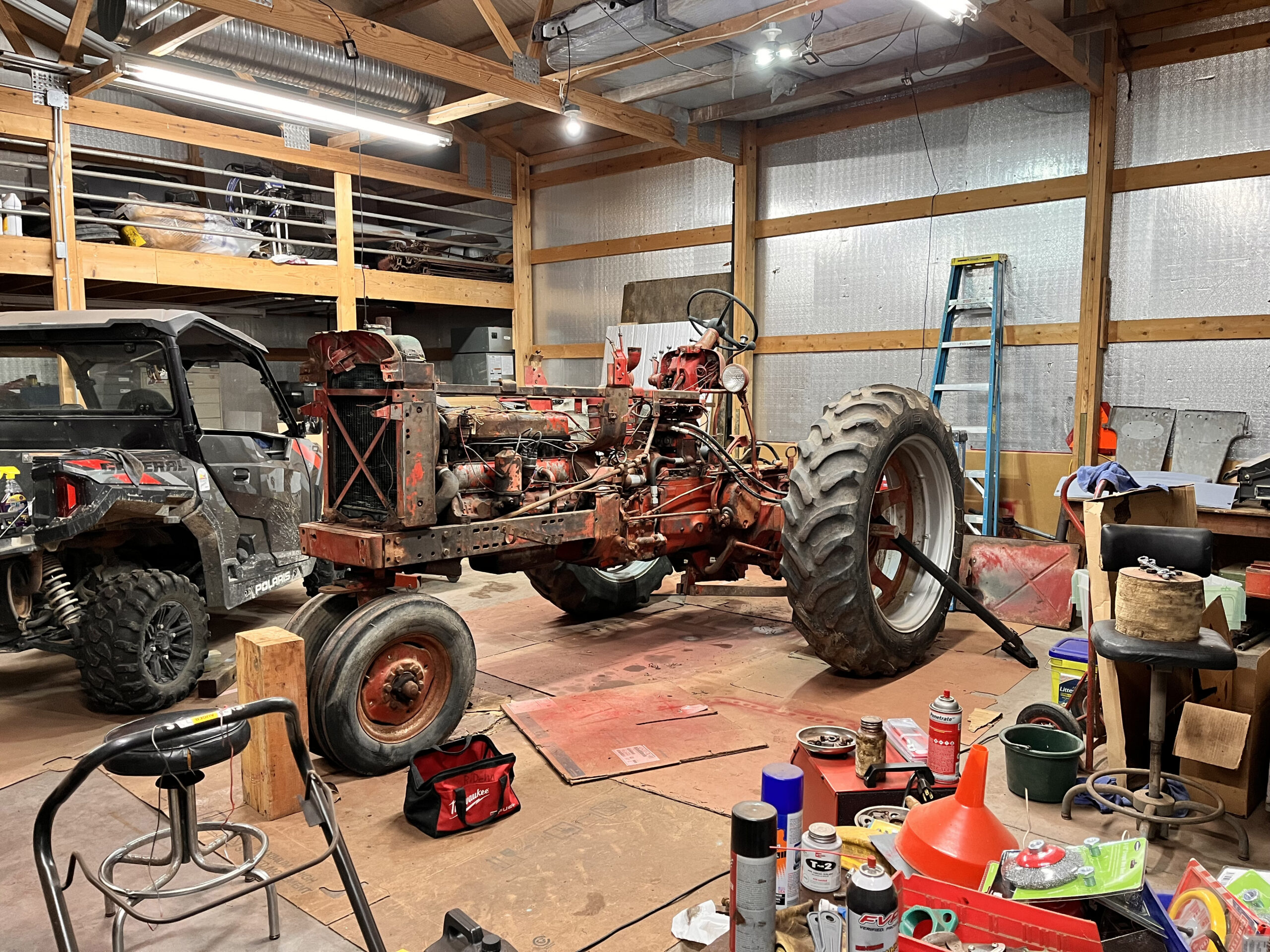
From there, the real work began. First, Ty removed the side panels and began washing away decades of grease, dirt and dust. Then, he started disassembling the tractor piece by piece. He carefully organized and documented parts. Large items, such as tires, came off first before he moved on to smaller parts and assemblies.
Throughout the process, he leaned heavily on the guidance and assistance of his grandfather, Roger Dehn, an experienced tractor restorer who had rejuvenated several antique machines.
“He was like a guiding light through the whole process,” Ty said.
A Long Winter
As Ty worked to strip the tractor down to its frame, the excitement of hearing the engine fire for the first time gave way to the reality of a full-scale restoration. By winter, tractor parts were scattered across Roger’s shop in hundreds of pieces. Progress slowed as Ty hit a “weird spot,” realizing just how much work still lay ahead.
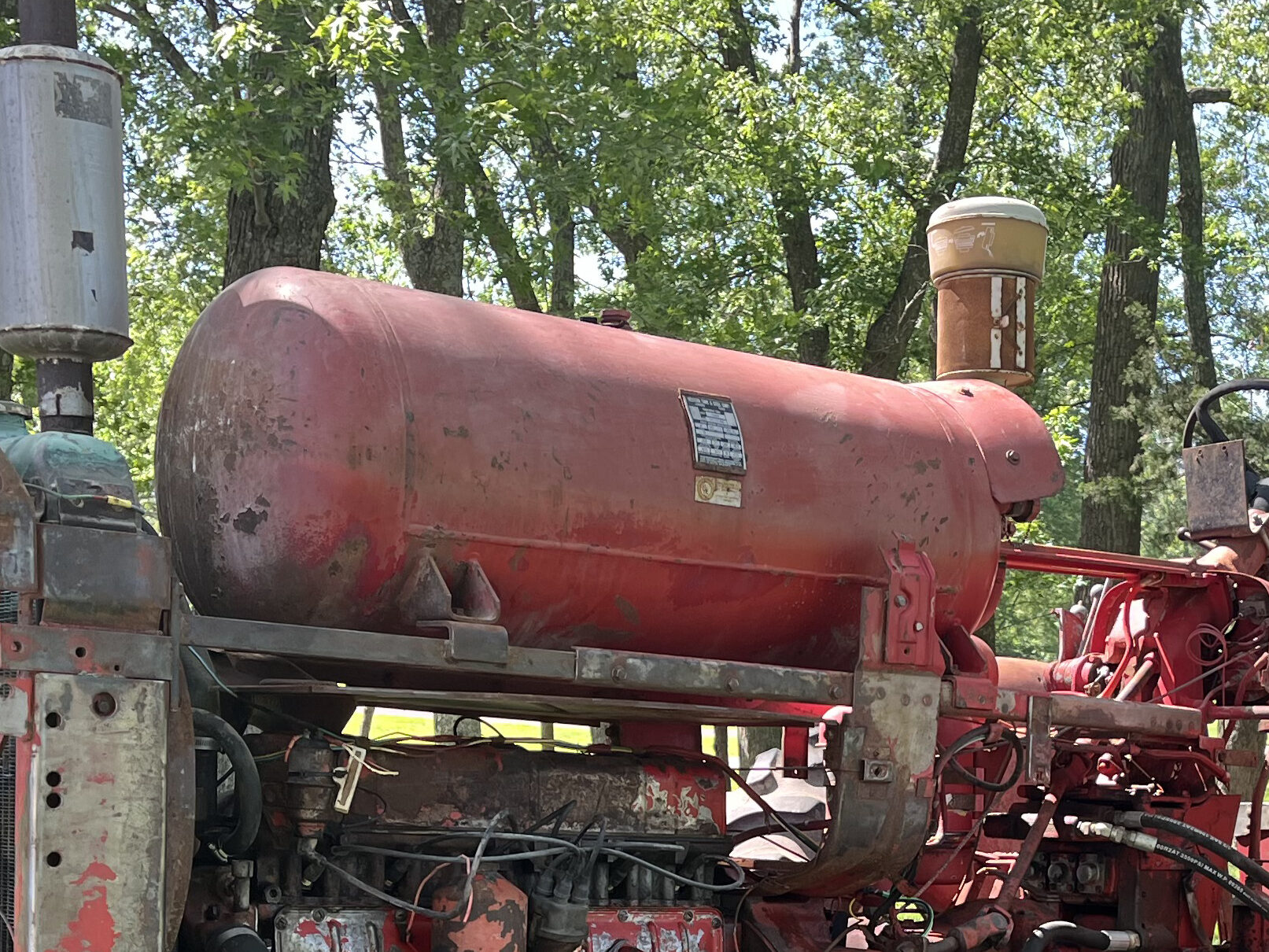
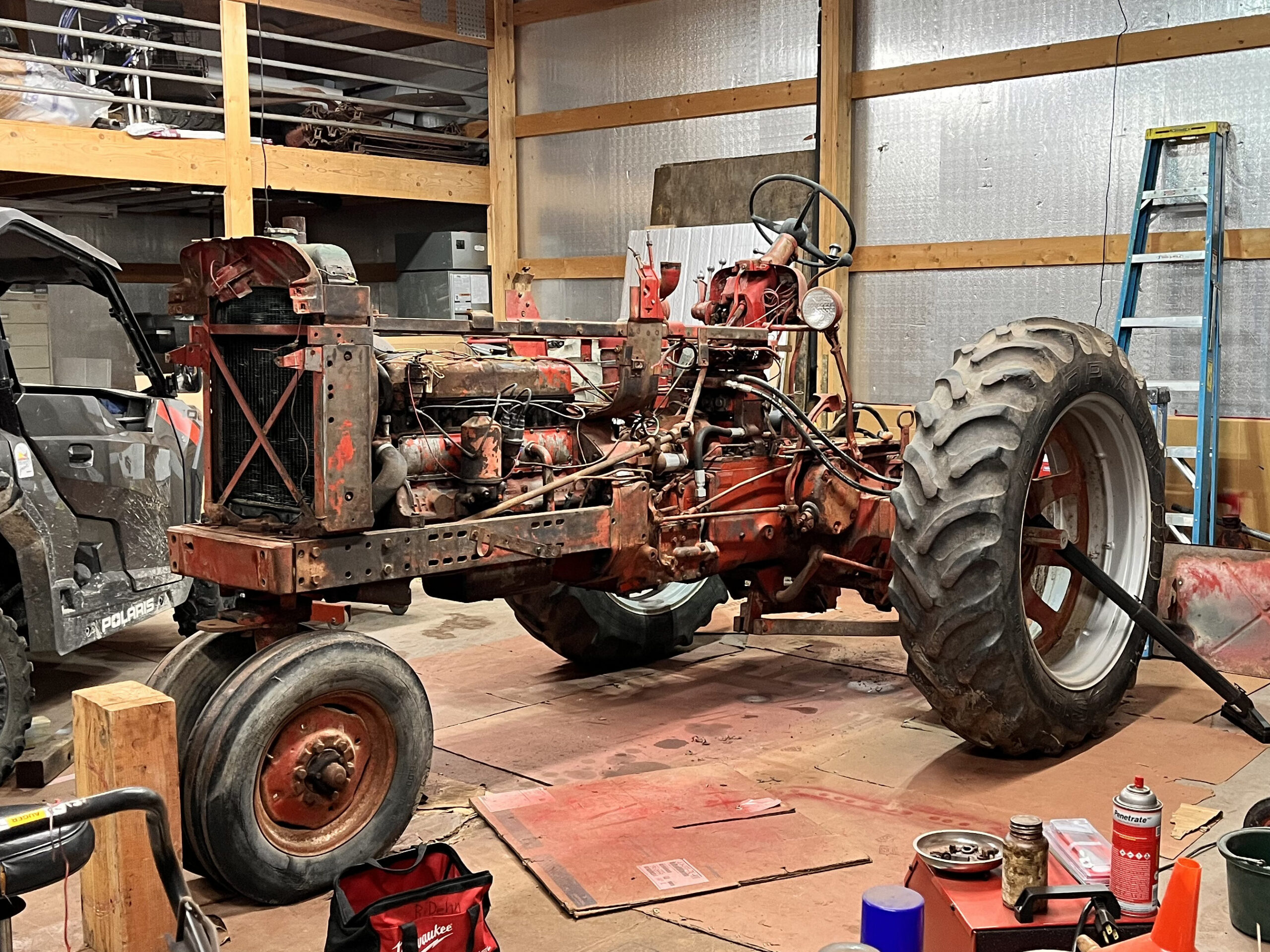
“There was definitely a point where I wondered what I had gotten myself into,” he said.
But he kept moving forward. He scraped off grime that had withstood pressure washing. He used paint thinner and plenty of elbow grease to remove stubborn imperfections.
Over several months, Ty sourced replacement parts. LP-specific emblems were especially difficult to find. Ty and Roger eventually tracked down a set through a collector, which Ty hand-painted to match the tractor’s original appearance. A local muffler shop fabricated a custom exhaust pipe when he couldn’t find an original replacement.
The project became a lesson in patience and problem-solving. Ty rewired the entire tractor from front to back, relying on photographs he had taken during disassembly and a wiring schematic he tracked down. Fortunately, coursework in electrical systems through his school’s vo-tech program gave him the skills needed to tackle the job.
Support from his family, FFA advisor Madison Koenen and MFA Oil kept the project moving. Ty received a $500 MFA Oil SAE Grant at the Kansas FFA Convention in Manhattan. The funding helped cover the cost of paint, tires and other restoration supplies.
“The MFA Oil grant helped make the project possible and gave me confidence to take on a project of this size and see it through to the end,” he said.
Back to Life
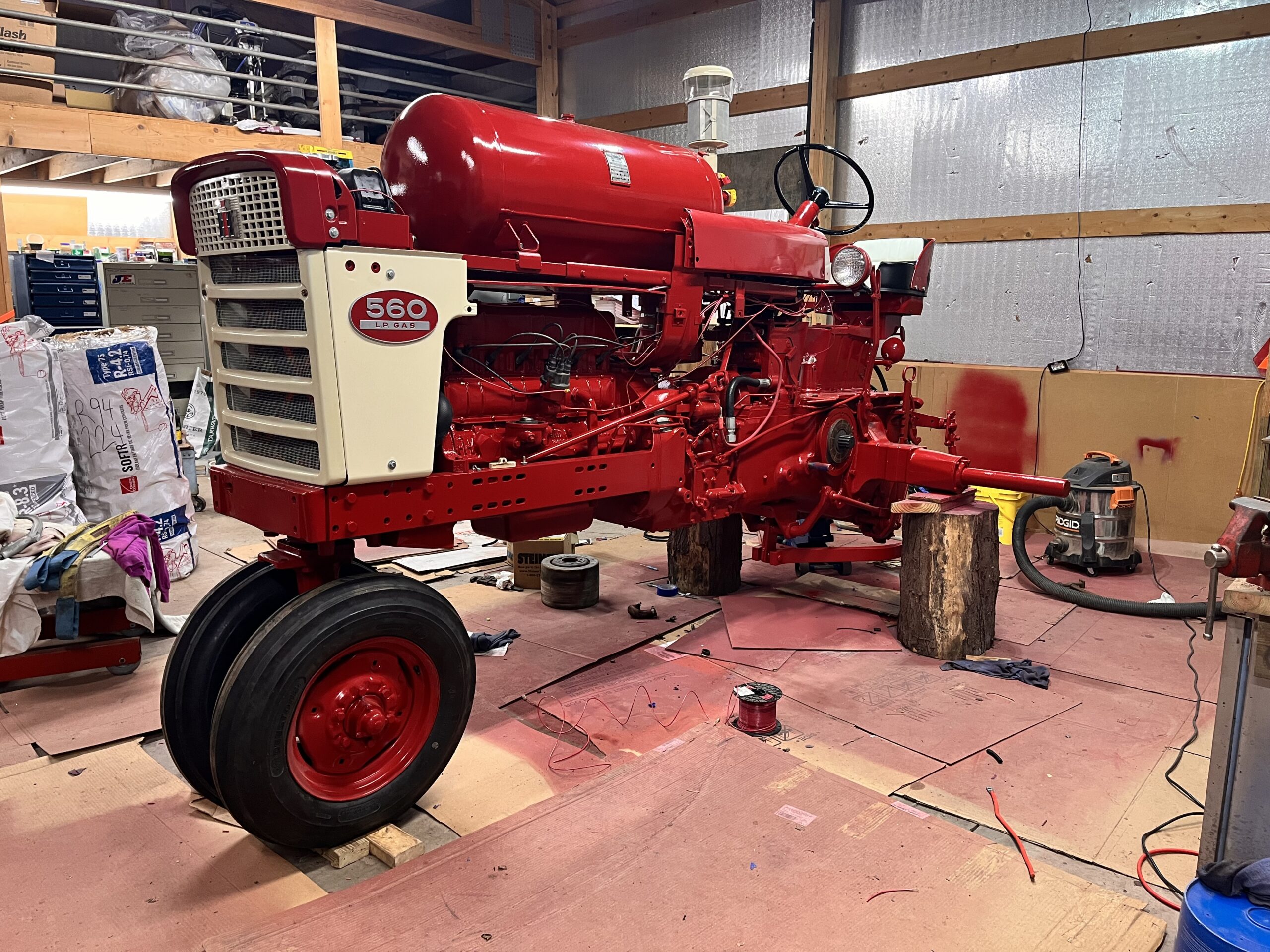
As winter turned to spring, the pieces slowly began coming back together. Ty compared the rebuilding process to “a big Lego project,” only without a step-by-step instruction manual.
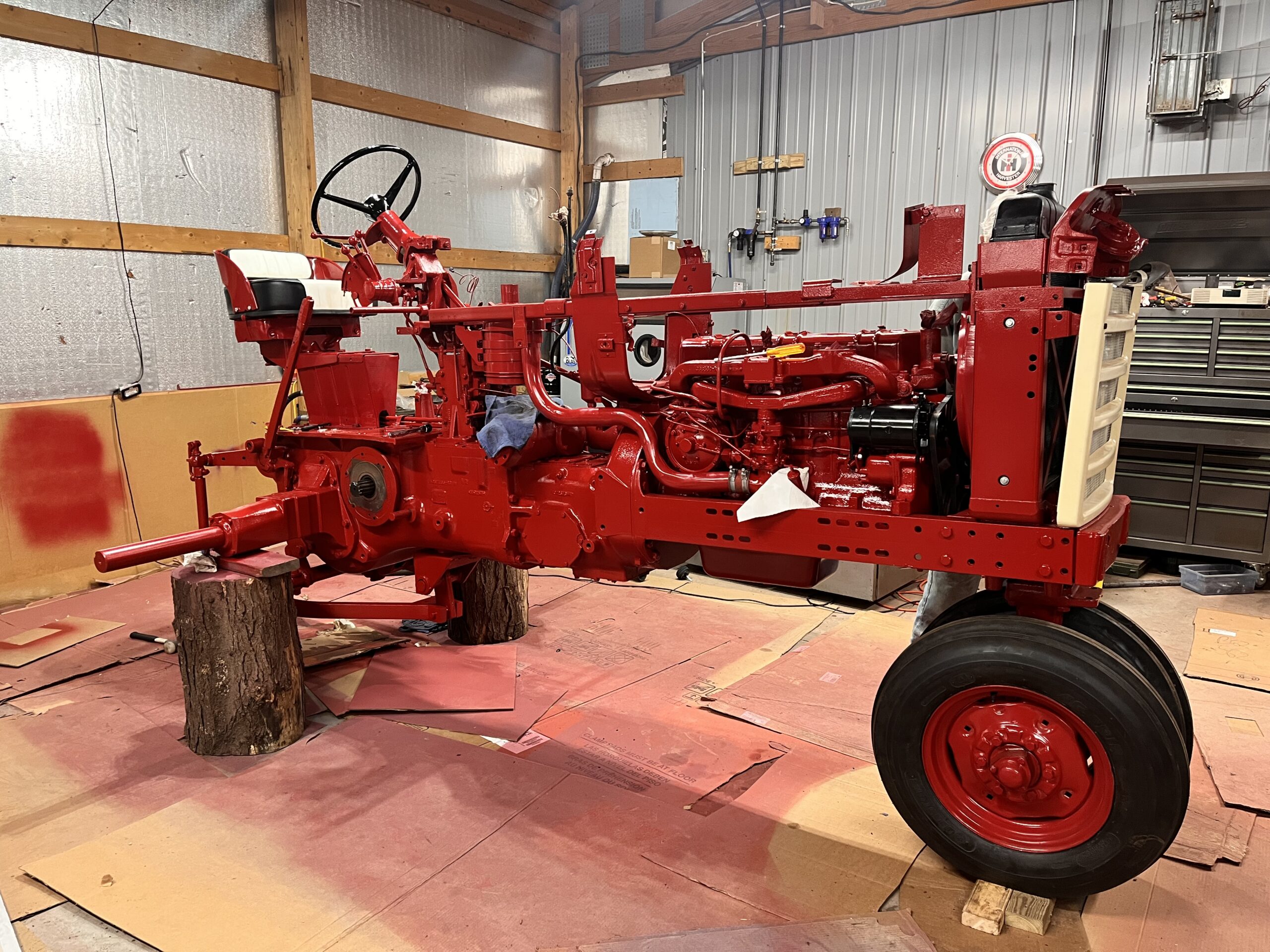
Preparing the tractor for painting required meticulous prep work. He carefully taped, primed and sanded parts. After months of labor, Ty was ready to spray the tractor with its iconic International Harvester-red paint. He painted smaller pieces individually, while he sprayed the frame in a makeshift paint booth set up in Roger’s shop.
“That’s when it really started coming together,” Ty said. “Seeing the red paint on it gave me renewed motivation because I could finally see all the work paying off.”
From that point forward, progress accelerated.
The final push came during the closing weeks of Ty’s senior year. He spent many evenings working late into the night, with some sessions stretching until 2 a.m., as he raced to finish the project before graduation and Alternate Transportation Day. The final sprint paid off, and he finished the project with three days to spare.
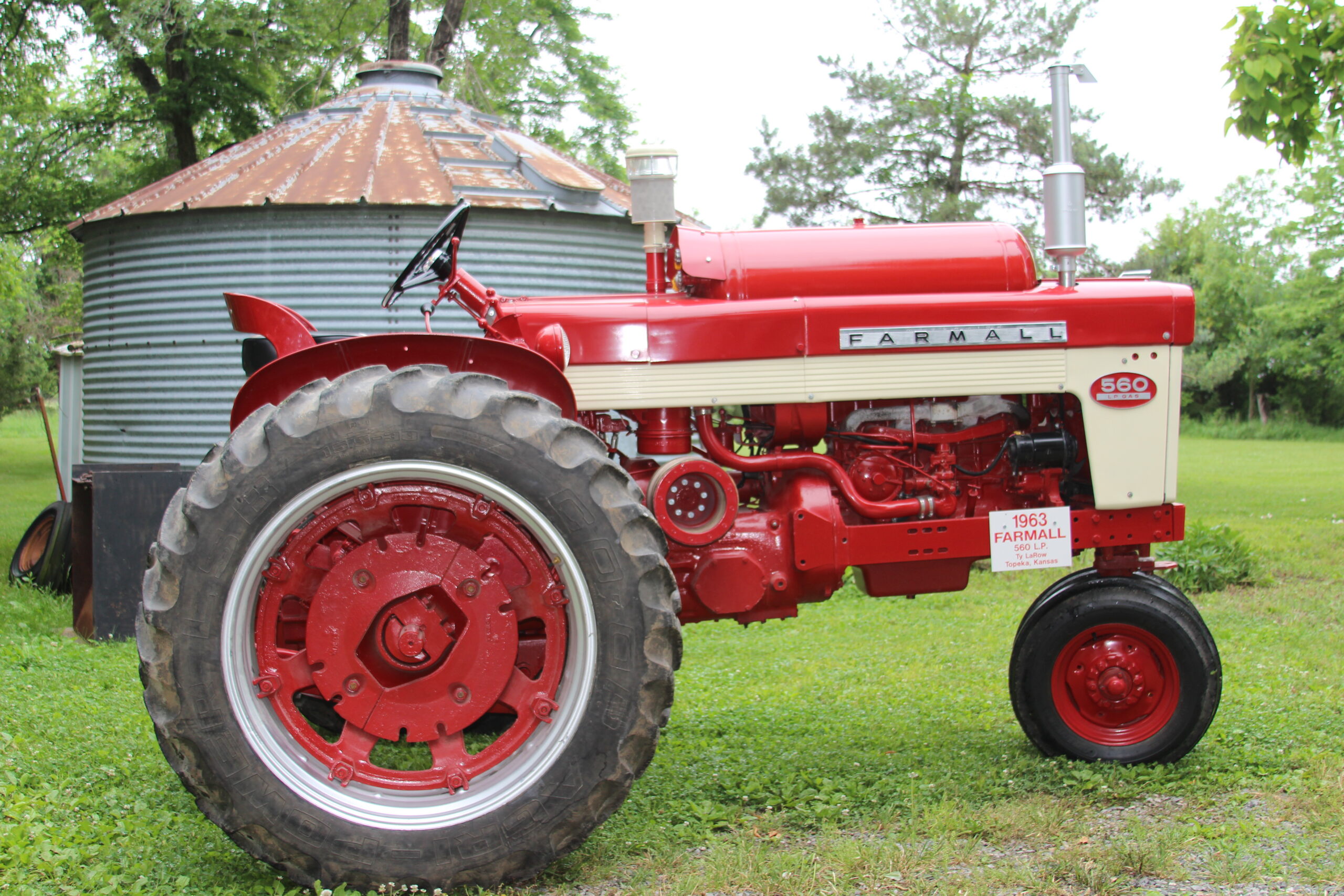
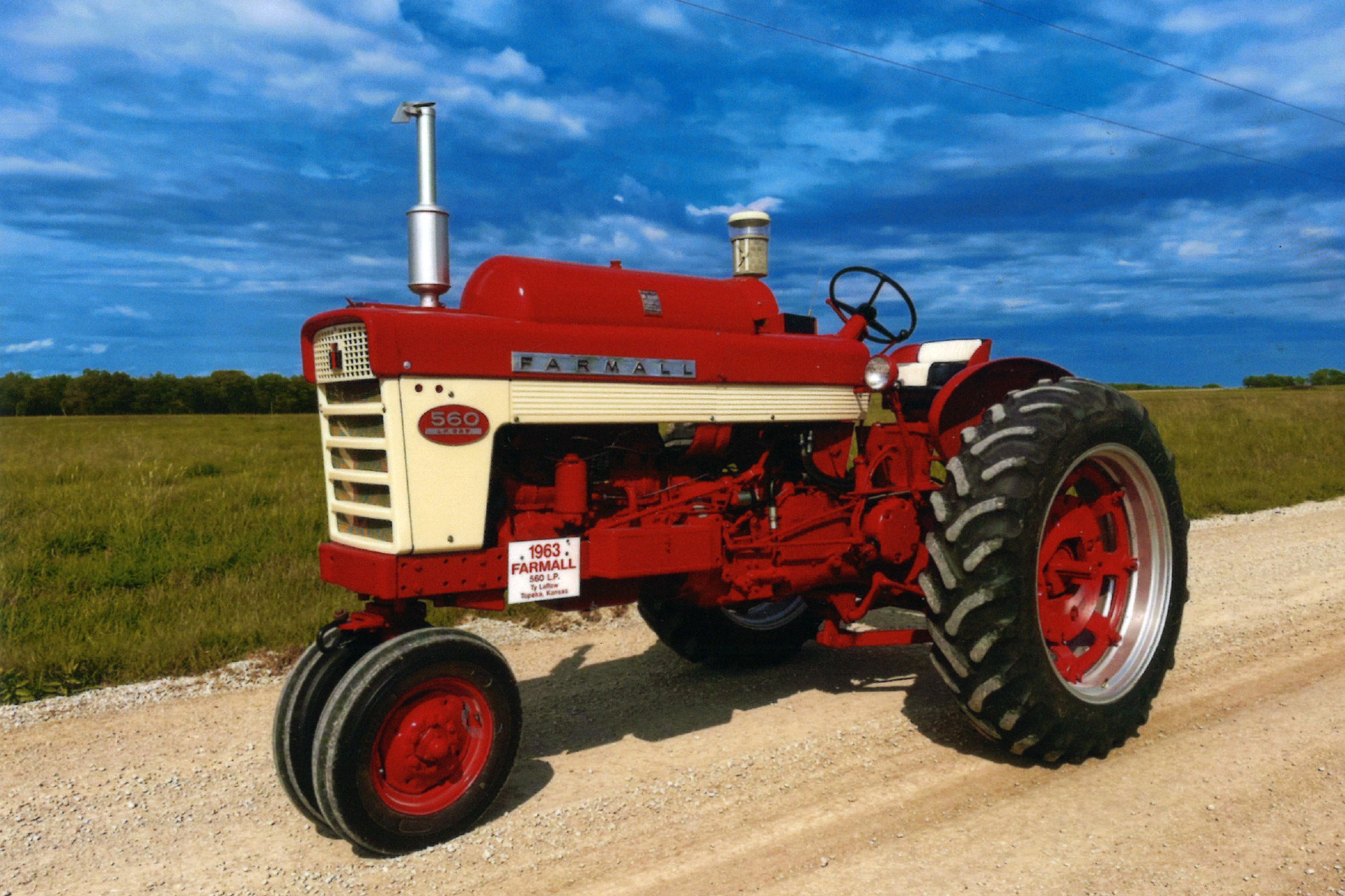
When he rolled into the school parking lot the next day, Ty savored his achievement.
“It was the last day of school, so there were a lot of feelings,” Ty said. “Driving it to school was exciting, and it felt great to succeed with such a big project and see it through to the end.”
Roger shared Ty’s excitement. While he was proud of the finished tractor, he valued the opportunity to spend quality time with his grandson even more.
“We spent a lot of time together in the shop, and it was fun,” Roger said.
Memories Made
Since completing the restoration, Ty has exhibited the tractor at several Kansas tractor shows, including events in Meriden, Ottawa and Garnett. He plans to continue showing the 560 and may eventually restore the three-bottom plow that originally accompanied it.
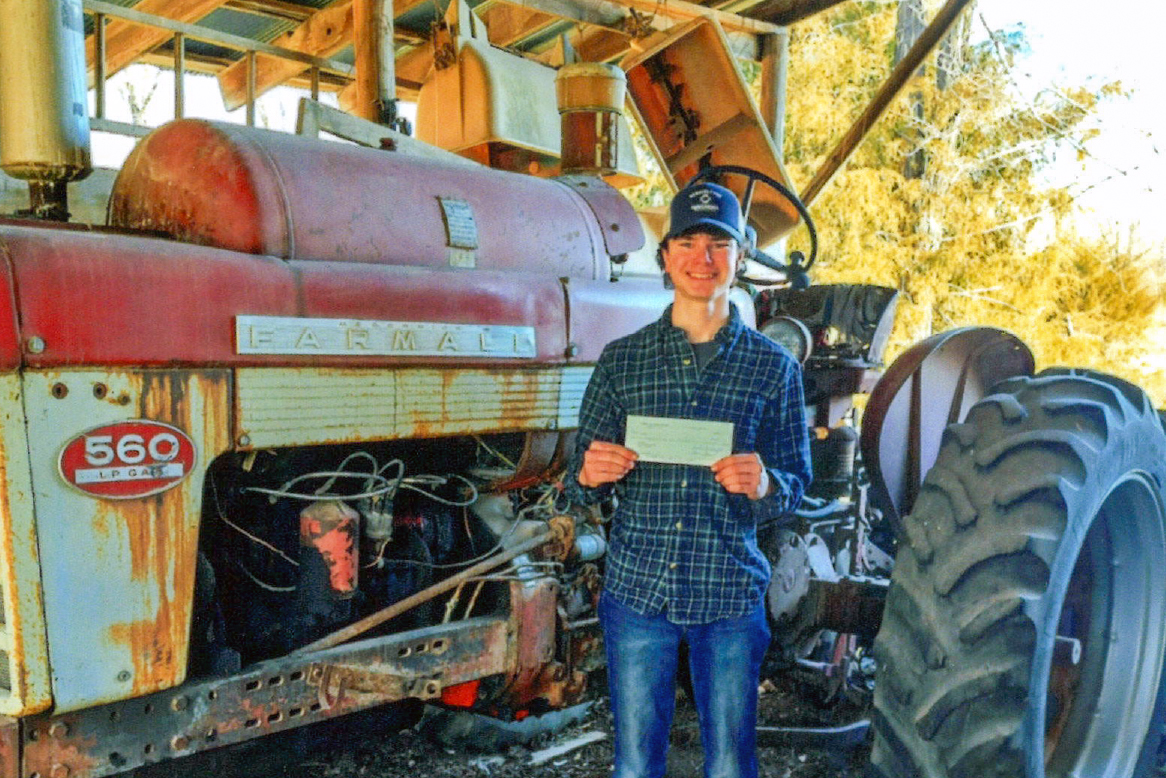
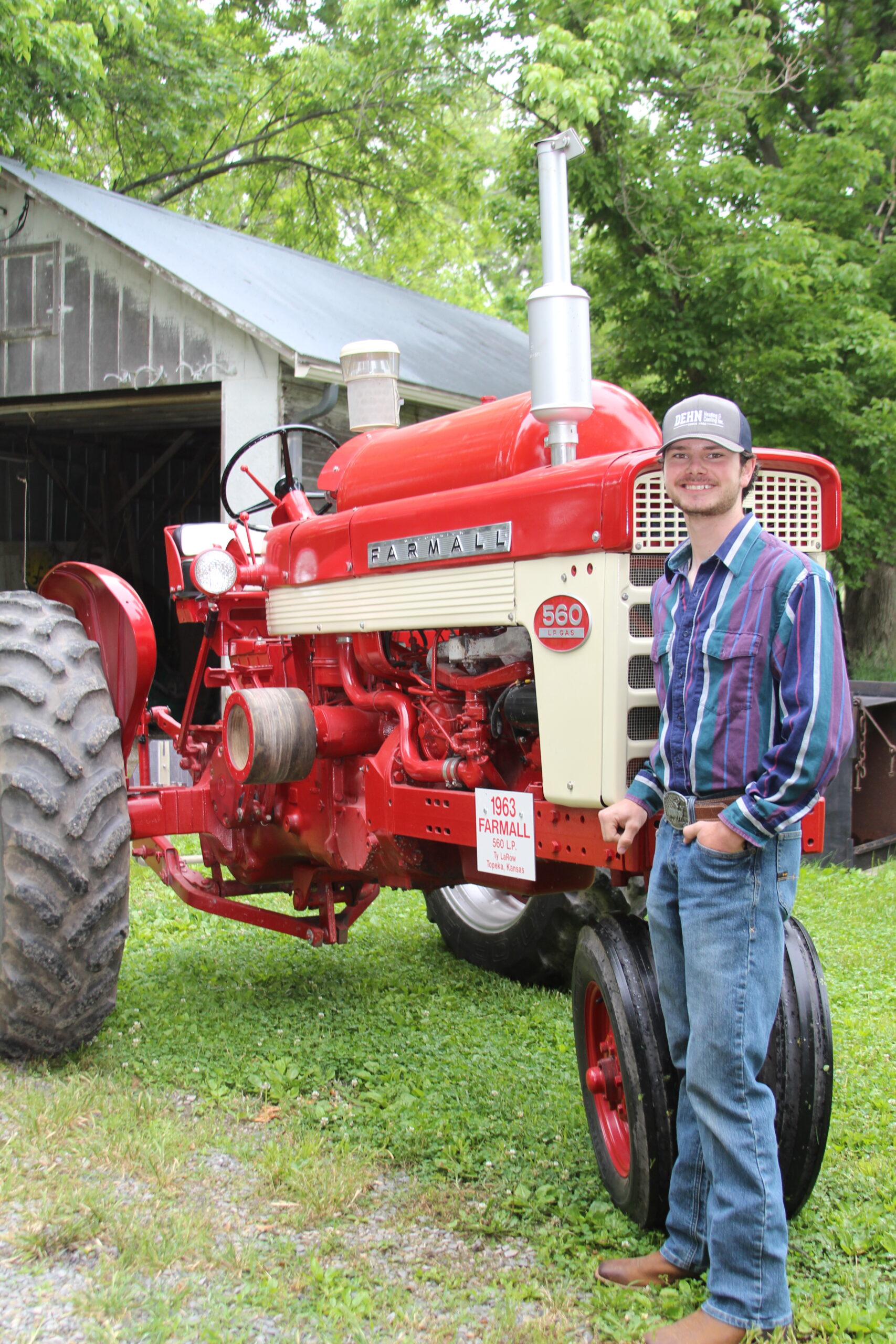
Reflecting on the project, Ty says the tractor isn’t what he’ll remember most.
“What I’ll look back on with the most joy is working on it with my grandpa,” he said. “Not everyone gets to spend a lot of time with their grandparents, and I try not to take that for granted.”