


Building the Next Generation of Teachers
July 27, 2026
Written By Neal Fandek
Avery Deevers just got back from Las Vegas.
Desert vacation with pool, golf and slots? Nope. He and his department chair were helping create new educational pathways for skilled trades workers. They were finalizing a deal for members of the United Brotherhood of Carpenters and Joiners of America to earn a two-year associate’s degree through North Central Missouri College and continue their education at the University of Central Missouri (UCM) in Warrensburg.
“Some of these guys never thought college was for them,” Deevers said. “We’re building classes directly tailored to them.”
Deevers is the coordinator of undergraduate programs in UCM’s Department of Career and Technical Education (CTE) and spent 10 years teaching agriculture at the middle and high school levels. While the new program serves skilled trades workers rather than future agriculture teachers, it reflects his broader approach to education: creating pathways that connect students with careers and industries that need them.
There are currently seven institutions in Missouri that offer agricultural education programs, but UCM is the only one that combines technical and agricultural education.
Deevers’ focus on innovation extends beyond partnerships. In his office, a whiteboard is filled with notes about artificial intelligence (AI) and how future agriculture and technical education teachers can use emerging technology in the classroom.
“AI is the buzz right now,” he says. “My students are using AI to craft lessons, but they also need to know how to fact-check information and use those tools responsibly. We’re preparing them to teach in industries that are constantly changing.”
“Avery demonstrates a visionary approach to educator preparation,” says Dr. Michelle Conrad, department chair. “He consistently designs innovative, future-focused learning experiences that anticipate emerging educational and workforce trends while strategically scaffolding knowledge and skills needed for today’s CTE programs.”
The curriculum itself reflects that forward-looking approach. The path to a bachelor’s degree includes classes one would expect, like agricultural mechanics, animal science, pest management, soil science and horticulture. The traditional ag classes are supplemented with courses in digital communication, journalism and economics to give students a more well-rounded experience.
Deevers also serves as chair of the Missouri Agricultural Education Teacher Recruitment and Retention Committee (he wears quite a few hats). In that role, he helps pre-service teachers build professional networks, connect with grant opportunities and corporate sponsors, connect with mentors, and access resources through FFA and other organizations.
His mission, he says, is “building that next generation of teachers.”
He adds, “I want to focus on making sure that they’re going to understand and survive those first couple of years of teaching but also equip them with the tools to succeed.”
The work comes at a time when many schools continue to face challenges in recruiting and retaining qualified agricultural teachers.
The impact of Deevers’ approach can already be seen in students like Bailey Cox, a 2026 UCM agricultural education graduate who recently accepted a teaching position in Drexel, Mo.
Cox says her own experience with agricultural education wasn’t particularly inspiring, but her experience at UCM was different.
“(Deevers) wanted me to be the best teacher I could be,” Cox says. “He believed in me and told me to give it my all because that effort would not go unnoticed by the kids.”
Now preparing to begin her own teaching career, Cox hopes to help students better understand agriculture’s role in everyday life.
“Every part of our life is dependent on agriculture,” she says. “My job is to help kids understand that.”
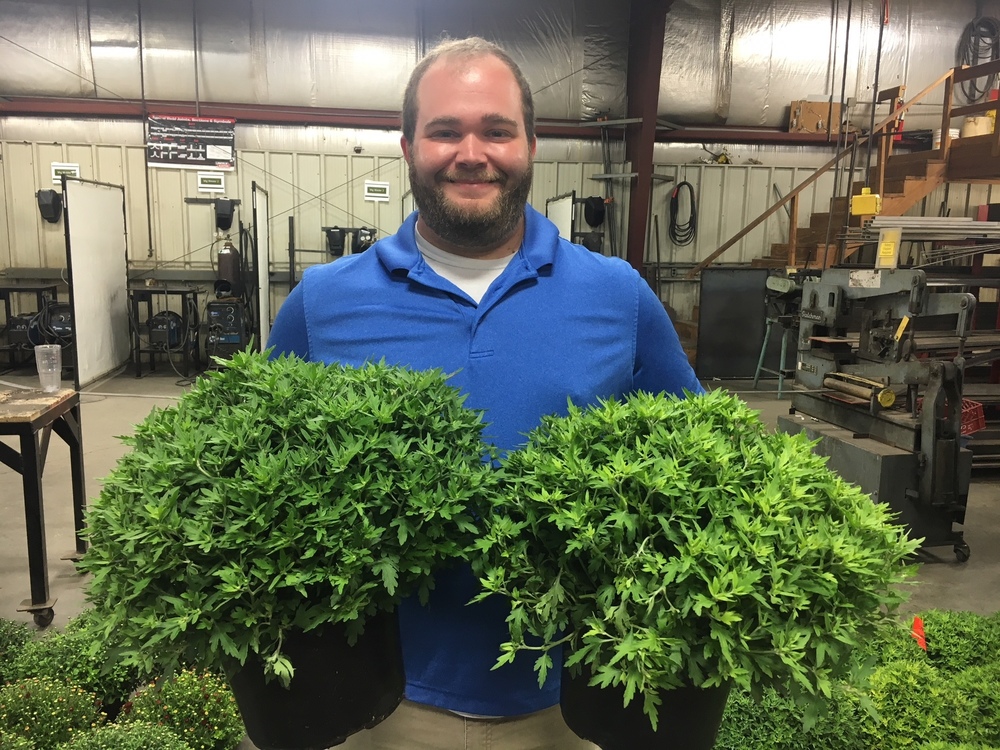
ABOVE IMAGE: Avery Deevers, coordinator of undergraduate programs for the University of Central Missouri’s Department of Career and Technical Education, spent 10 years teaching agricultural education at the middle and high school levels. In his role as chair of the Missouri Agricultural Education Teacher Recruitment and Retention Committee, he helps pre-service teachers build professional networks, connect with grant opportunities, find mentors and access other resources.