
Putting Safety First
November 17, 2026
Written By Adam Buckallew
MFA Oil Invests in Propane Safety
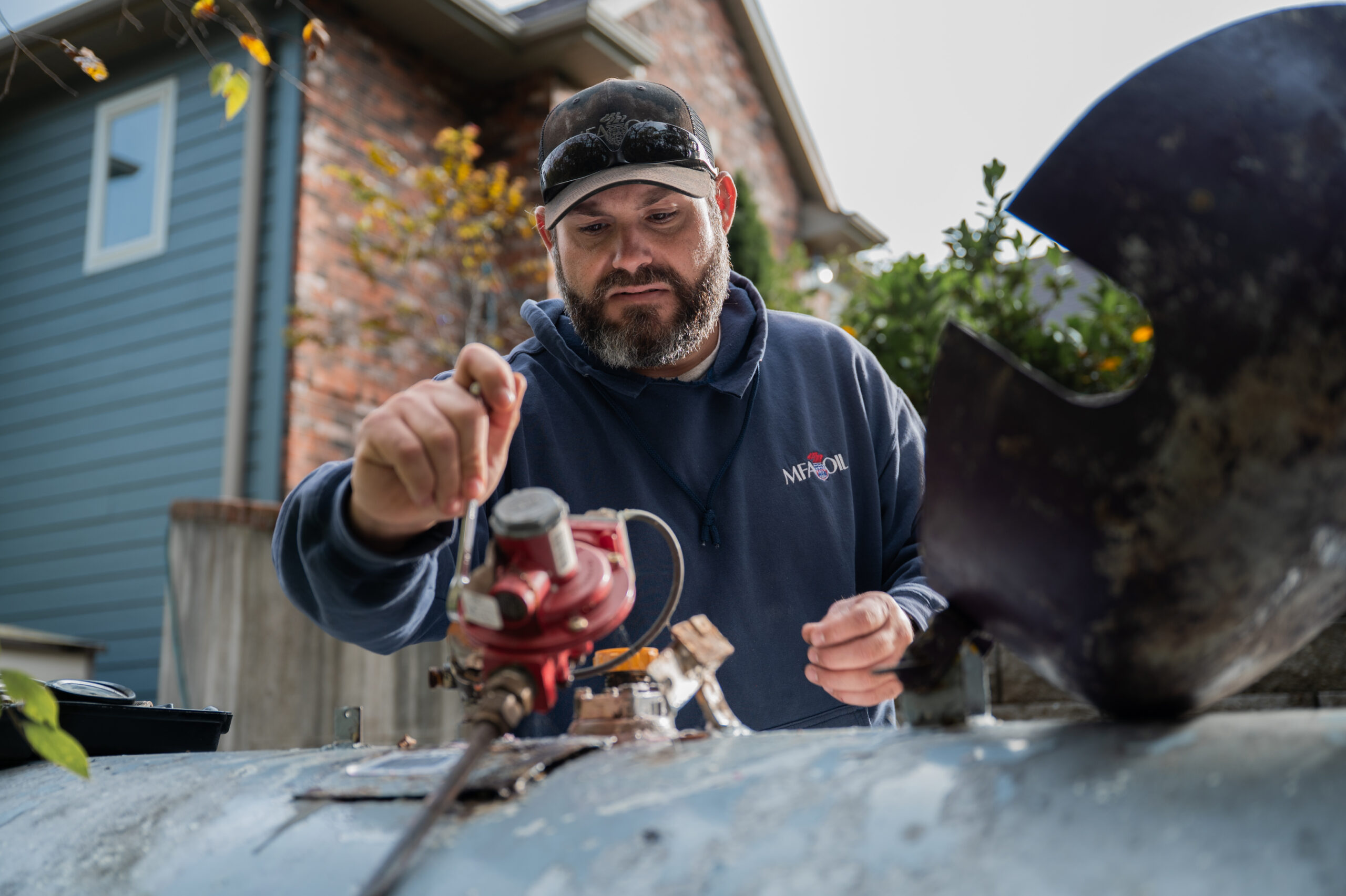
When it comes to propane safety, the details matter. A missed entry on an inspection form or an incorrectly recorded pressure test can create questions about whether a system has been properly checked. MFA Oil Company is working to catch potential issues early through improved technology, employee training and a continued commitment to doing things the right way.
The company is finishing a project to digitize its propane inspection reports (PIRs). By moving from paper forms to an electronic process, MFA Oil aims to improve documentation accuracy, streamline inspections and give its safety team more time to work directly with employees in the field.
“It doesn’t take long to do things the right way,” said David Grothoff, the company’s propane safety manager. “It’s all about keeping people safe.”
Getting the details right
A PIR documents the checks performed to verify that a propane system meets applicable codes and company policies to ensure it can operate safely.
These inspections are required in situations such as an interruption of service, an out-of-gas call, a new tank installation or a change in service providers. Requirements vary by state, but the purpose is the same: to verify that the system is safe before propane service proceeds.
MFA Oil currently processes thousands of these reports each year. In 2025, the safety team reviewed approximately 13,000 PIRs, with about 75% arriving during a three- to four-month period around heating season.
Today, employees complete paper forms in the field, which customer service representatives scan and upload to a database. Safety managers then manually review the reports for completeness and accuracy.
The new electronic process is designed to catch potential errors as employees enter information. If a pressure test’s recorded times or a leak check’s results fall outside acceptable parameters, the system will alert the employee to recheck the information. Reports submitted with flagged issues will automatically be sent to a safety manager for review.
That real-time feedback can help employees correct typos, identify potential equipment problems and avoid missing information before leaving the customer’s property.
Training and accountability go hand in hand
Technology is only one part of MFA Oil’s approach. The company also expanded its safety department to include six safety professionals working under Grothoff, with coverage across six safety districts.
As part of their onboarding process, new employees hired as propane drivers receive three to four days of initial training that includes videos and hands-on safety instruction.
Grothoff and his team also meet with field employees to review PIR reporting, reinforce proper procedures and identify opportunities for additional training. Evaluating inspection reports helps the team recognize where an employee may need more guidance.
Clayton Uthe, fuel and propane safety and maintenance director, said the electronic system will help employees learn to complete reports correctly while reducing the time spent on routine manual reviews.
“Our customer service representatives will spend less time scanning and uploading paperwork, and it will reduce the time plant managers spend double-checking those forms,” Uthe said.
Standardizing PIR documentation will also reduce time spent reviewing routine paperwork, allowing the safety team to focus on hands-on field evaluations and working directly with employees.
Peace of mind starts with safety
Much of this work happens behind the scenes. Accurate inspection records help verify that required safety procedures have been followed, while thorough inspections help identify potential problems before they become bigger concerns. Consistent documentation also strengthens accountability and provides a reliable record of the work performed.
Grothoff, who has spent 15 years working in propane safety at MFA Oil, said the revamped inspection reports will build on the company’s strong commitment to safety.
“Our employees rise to the standard of safety that we set,” he said. “We have instilled a culture of safety and accountability in our employees that benefits our farmer-members, residential customers and the businesses we serve.”
The PIR automation project builds on that commitment by helping employees follow established procedures, improving documentation accuracy and giving the safety team more time to work directly with field staff. These improvements reinforce MFA Oil’s commitment to keeping propane systems operating safely and giving the people who rely on MFA Oil service greater peace of mind.


