


More than Milk
March 8, 2026
Written By Adam Buckallew
How a Fourth-Generation Dairyman Built a Future Beyond the Farm
David Foster couldn’t believe it. The $20,000 he had wired overseas for a farm implement was gone. What seemed like a promising deal from a Chinese manufacturer turned out to be a scam.
For many people, a mistake like that would have ended any thought of doing business internationally. It would have been a lesson learned the hard way, a reason to stick with familiar suppliers and safer bets.
Instead, Foster bought a plane ticket to Turkey.
Taking a Chance
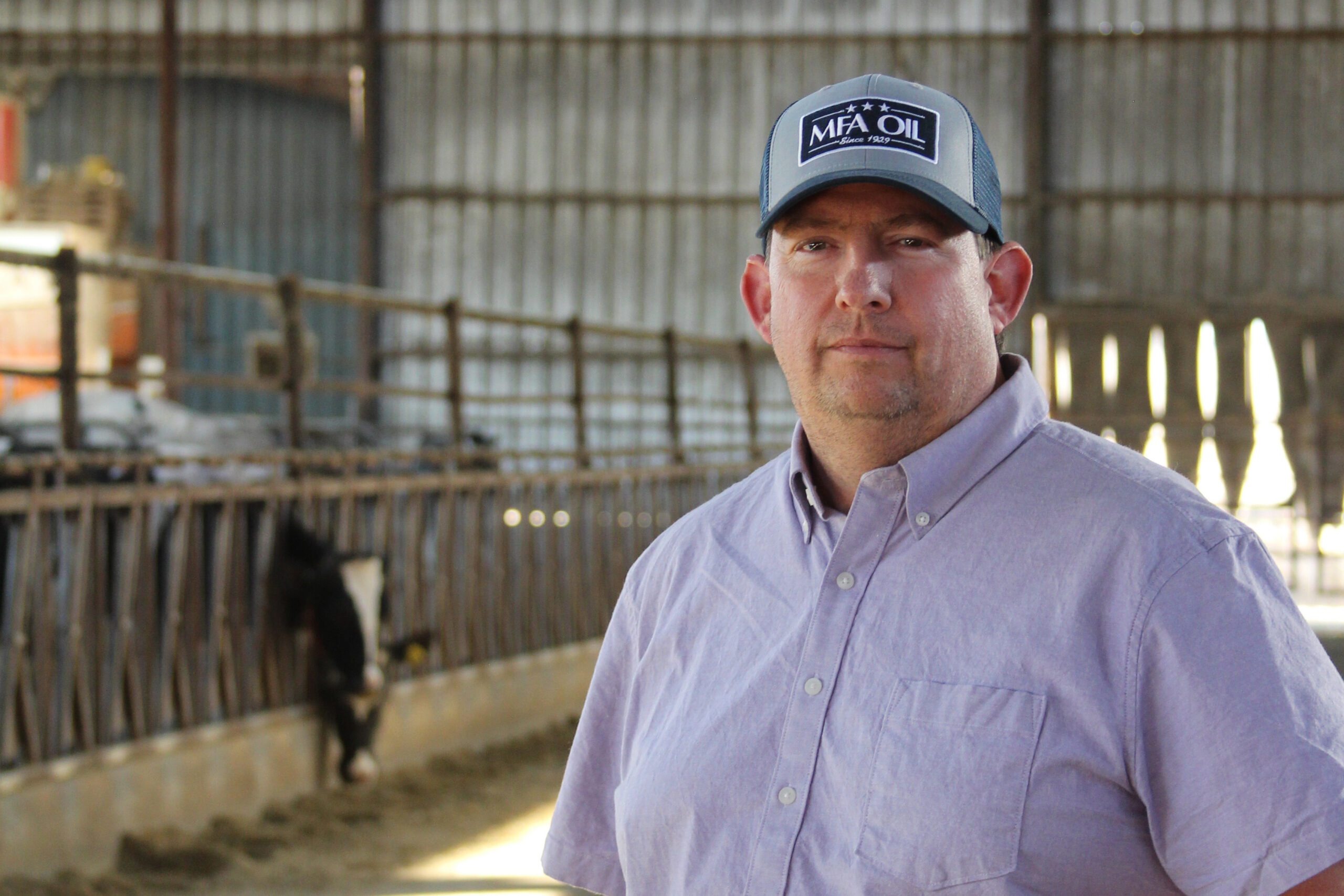
Why fly more than 6,000 miles from his family’s Kansas farm? Foster, a fourth-generation dairyman, had been searching for a replacement manure spreader. The options available didn’t impress him. As he weighed his choices, he kept coming back to the same thought: If he couldn’t find a spreader that met his standards, then other farmers probably faced the same problem.
If the right equipment didn’t exist, maybe he could build it.
Foster found a promising manufacturer in Konya, Turkey, but after his experience with the Chinese scam, he wasn’t about to take another risk sight unseen.
“I knew I had to go there, kick the tires and make sure it was legit because I had already been burned once,” Foster said.
He toured the factory, met with company leaders and confirmed the business was legitimate. Satisfied, he negotiated a contract manufacturing agreement based on his own specifications, and TerraKat, his manure spreader equipment company, was founded in 2019.
Two years later, he returned to Konya to finalize a deal with a partner to open his own factory. Today, the facility employs six people who weld and assemble spreaders, which are shipped to the United States. The equipment travels by boat to Newark, N.J., then by rail to Kansas City, Mo., before being trucked to Fort Scott, Kan., where Foster completes final assembly.
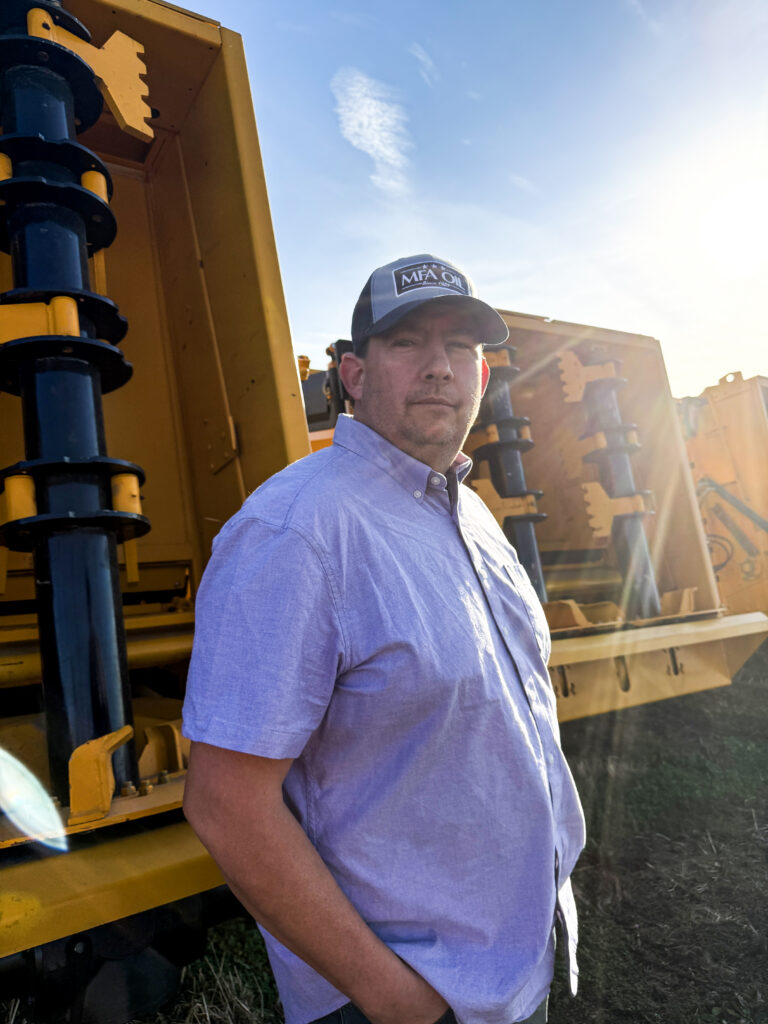
TerraKat now offers seven models and has sold spreaders in 25 states and three Canadian provinces. Foster holds a trademark on the TerraKat name and logo and has a patent pending on the back beater assembly. The business is lean; Foster and a secretary are the only employees in the United States, but demand and interest in TerraKat continue to grow.
The Family Business
Foster’s entrepreneurial streak didn’t come from nowhere. It was honed growing up on the dairy farm, where he learned that problems worth solving on one farm are usually worth solving on other farms.
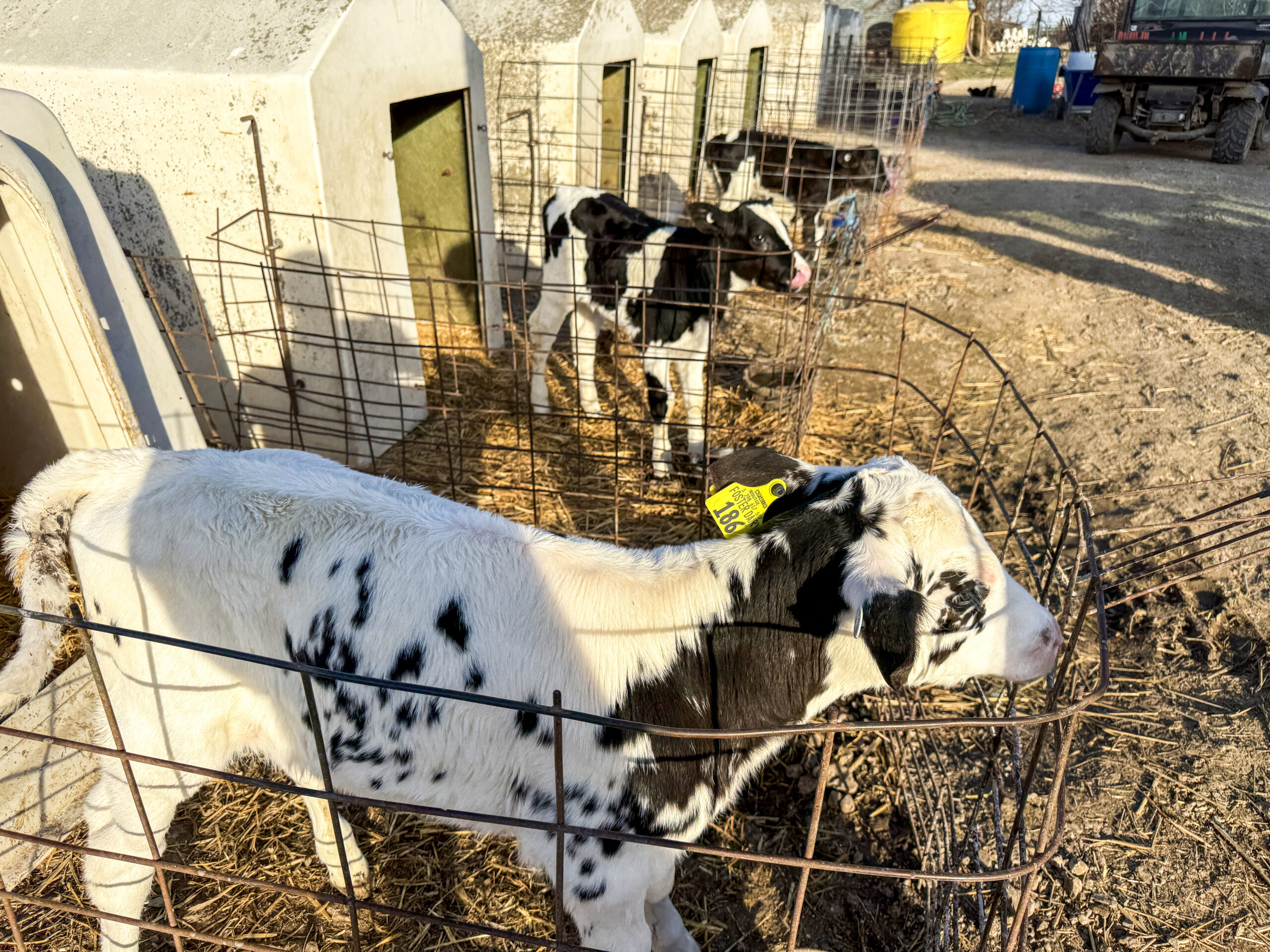
The Fosters’ dairy has been in continuous operation since the late 1940s. David’s parents, Gary and Lynda, returned to the farm in 1978, and the family has been milking cows every day for nearly five decades. Their operation spans about 1,000 acres, split evenly between row crops and dairy production.
Foster joined his parents on the farm after earning dual degrees in animal science and agricultural communications from Kansas State University. He and his wife, Addi, have four children—Ansley, Mayla, Davina and Tabor. They have all grown up on the farm, and several already play active roles in daily operations.
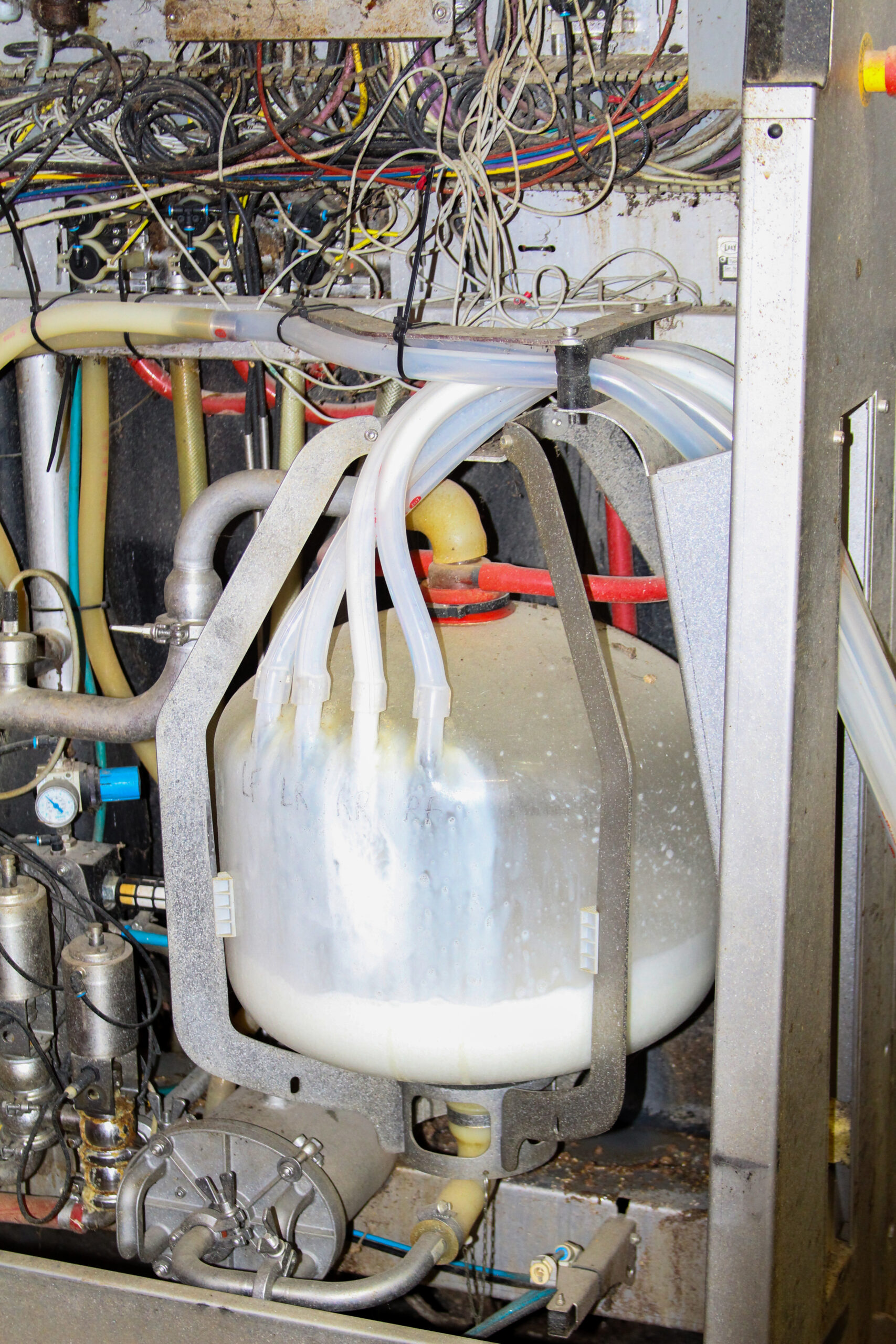
In 2016, the family made one of its biggest changes yet by installing robotic milkers. The technology allowed cows to be milked voluntarily rather than on a fixed schedule, increasing production while reducing labor by 10 to 12 hours a day.
“It may seem counterintuitive, but if you leave the cows alone, they will come in more frequently than we were milking them on our set schedule,” Foster said.
The cows now average 2.7 milkings per day, up from twice daily under the old system. Each animal wears a collar that communicates with the robots, tracking weight, temperature, activity levels and milk production. Data collected from each cow provides early warnings of illness or stress.
“We use the time we’ve saved with the robotic milkers to take better care of the cows,” Foster said.
His oldest daughter, Ansley, began working on the dairy at age 12 and now helps manage herd health and computer systems when she’s not teaching preschool. Her younger sister, Davina, also lends a hand, and Ansley’s fiancé, Marcus, handles much of the feeding work.
Keeping an operation that size running requires reliable partners. Foster connected with MFA Oil through the Emerging Leaders in Agriculture conferences and eventually switched fuel service from another cooperative to MFA Oil, which offered a better deal on fuel and lubricants. He tried BOSS Performance Diesel and didn’t look back.
“The fuel was better quality, and we noticed we had fewer issues with it,” Foster said.


The Craigslist King
Foster has never been content to let the dairy fully define him, and that inclination goes back further than TerraKat. His initial foray into running his own business was sparked by necessity. In 2010, the family dairy needed more buildings for hay and equipment storage. While searching for building materials, Foster discovered an interesting angle.
“I found out that if I bought a whole farm’s buildings, I could get a better deal,” Foster said.
There were more metal buildings on the property than he needed, but he made some calls to neighbors and found willing buyers. The Fosters kept what they needed, and the sales of the extra materials covered their costs.
That experience led to the creation of Cash Cow Enterprises LLC, a business Foster continues to run. The company focuses on reclaiming used poultry and hog barns across Arkansas, Kansas, Missouri and Oklahoma, then reselling the materials to farmers and ranchers through online marketplaces.
In 2017 alone, he dismantled 1.7 miles of buildings.
“They are pretty simple structures,” Foster said. “It’s easy and economical to take them down.”
Often, he has the materials sold before deconstruction even begins. He contracts with building owners; subcontracts labor for each project; and sells reclaimed trusses, sheet metal and other components to customers looking for affordable construction options.
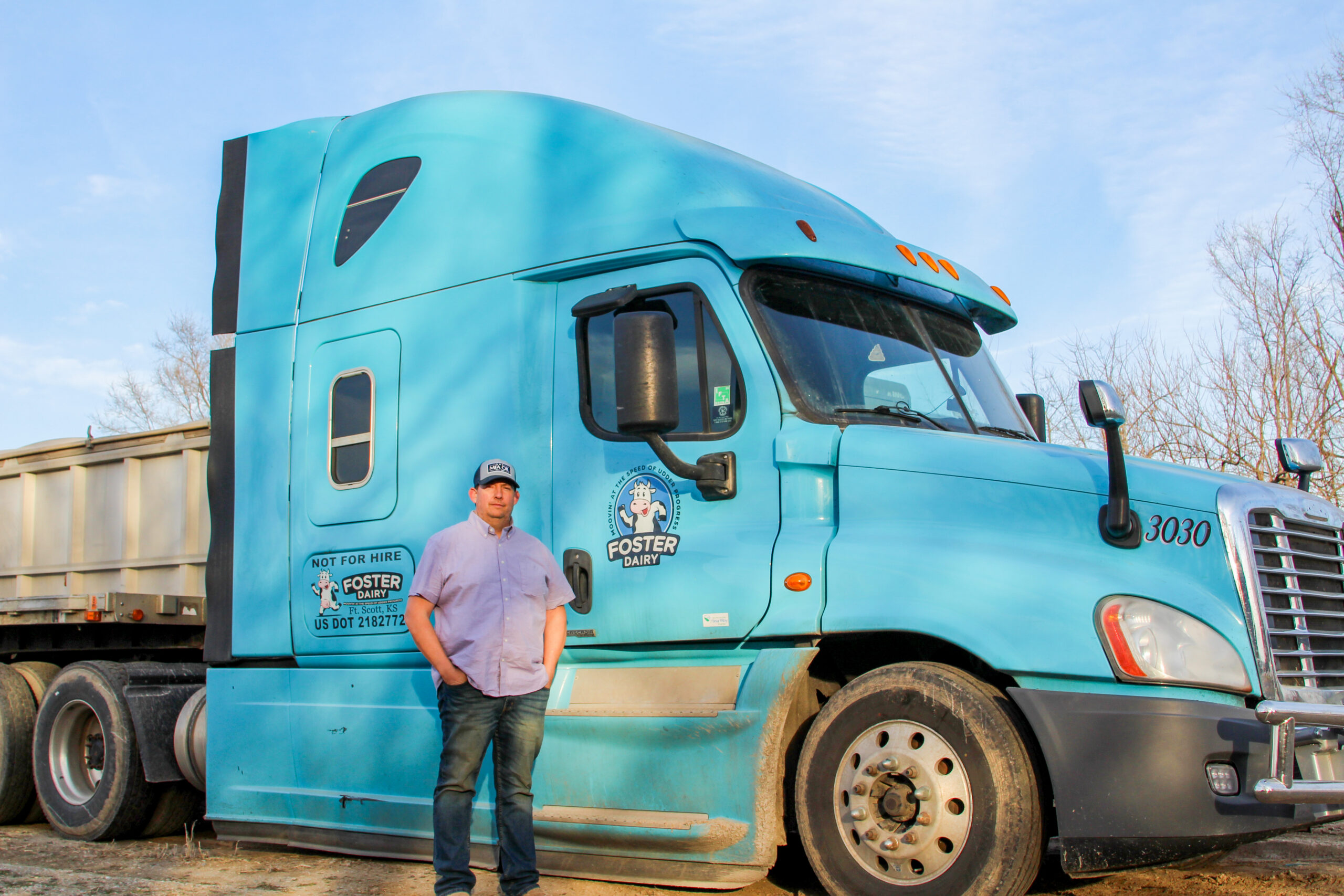
Through his online sales, Foster built a reputation on Craigslist, where he jokingly referred to himself as the “King of Craigslist,” before later expanding to Facebook Marketplace. Today, he owns 18 semi-trailers used to transport materials.
Foster’s business philosophy is simple: If it’s a good deal for his farm, it’s probably a good deal for someone else, too.
“I’ve always been entrepreneurial,” Foster said. “I’ve learned a lot from the dairy, including the most important lesson: If it’s not profitable, it doesn’t work.”

Thinking Past Today
Foster’s drive to build businesses outside the dairy comes from a practical place. Farming margins can be thin, and he has seen firsthand how easily a lifetime of work can remain tied up in land and equipment.
“My parents have no retirement accounts—all their money is wrapped up in the dairy,” Foster said. “I didn’t want that to be the same for me.”
He still helps with the dairy, hauling feed like hominy and soybean meal or sand bedding for the free-stall barn and filling in when needed, but he has stepped back from daily operations to focus on growing his other ventures.
Foster is a planner by nature, but plans for the dairy’s long-term future are still in discussion. Though he and his parents have had conversations about succession, which can be a complex topic, they have yet to establish a clear path forward together.
“That’s not enough to map out the dairy’s future,” Foster said, referring to relying solely on his parents’ will, which is an important first step. “We are doing what we do today because that’s what we did yesterday, and it’s working for now. It’s what’s comfortable, but it’s also what leads to complacency.”
A recent four-wheeler accident underscored the urgency for more defined succession planning. Foster’s father, Gary, was hit by a car while crossing the highway. The collision sent him flying into a ditch in front of the dairy barn. Gary was lucky to come away from the accident with only cracked ribs, a few dislocated bones and a lot of bruising.
“We could have lost my dad,” Foster said quietly. “I like to have control of things, and there was nothing I could do in that situation. It was completely in God’s hands.”
While he’s thankful that his father will recover from his injuries, questions about the dairy’s future linger.
Charting His Own Course
Meanwhile, Foster has focused on building other opportunities.
His businesses—Cash Cow Enterprises, TerraKat and whatever may come next—represent more than additional income streams. They offer the potential of a different kind of inheritance for the next generation.
Foster has learned that not everything works out as planned. Ask him about the scam that cost him $20,000 or the challenges of succession planning. But those experiences have shaped his approach to life and business.
When he needed a future that wasn’t entirely dependent on milk prices, weather or circumstances beyond his control, he built one himself.